Blown-in, spray foam, and batt walls built for Utah winters
Wall Insulation in Clinton That Stops the Draft
Wall Insulation in Clinton is the fastest way to kill a draft you can feel from the couch. We blow cellulose and fiberglass into open cavities, seal air leaks, and set the right R-value for Davis County winters. If your 1970s Clinton rambler runs cold on the north wall or your energy bill spikes every January, we fix the wall, not the thermostat.
Live phone supportUpfront optionsBacked workmanship
What's included
What Our Wall Insulation Service Includes
Every wall insulation job in Clinton includes the full scope below. We do not sub out the work, and we do not leave a cavity half-filled. If your project needs something outside this list, we tell you before we start and price it in the same flat number.
Free Thermal Assessment
We scan every exterior wall with a thermal imaging camera and check for moisture with a meter. You get a written R-value reading per wall and a flat price before any work begins.
Air Sealing
Top plates, outlet boxes, and pipe penetrations get sealed with spray foam and insulation tape. Sealing first is what makes the wall insulation actually perform in a Clinton winter.
Cavity Insulation
We fill the wall cavities with cellulose, fiberglass, or spray foam at the correct density for the cavity depth. R-value targets run R-13 to R-21 depending on the wall assembly.
Vapor Barrier Work
Where the wall assembly needs a vapor barrier, we install or repair it so moisture does not get trapped in the cavity. This matters on Clinton homes with older, unsealed wall construction.
Drywall Patching
We plug every drill hole, sand it smooth, and vacuum the room. Most homeowners cannot find where we worked once the patch is dry.
Final R-Value Report
You get a written report with the before and after thermal images and the measured R-value per wall. It is your proof the job was done right, and it stays with the house.
Service overview
What Wall Insulation in Clinton Actually Involves
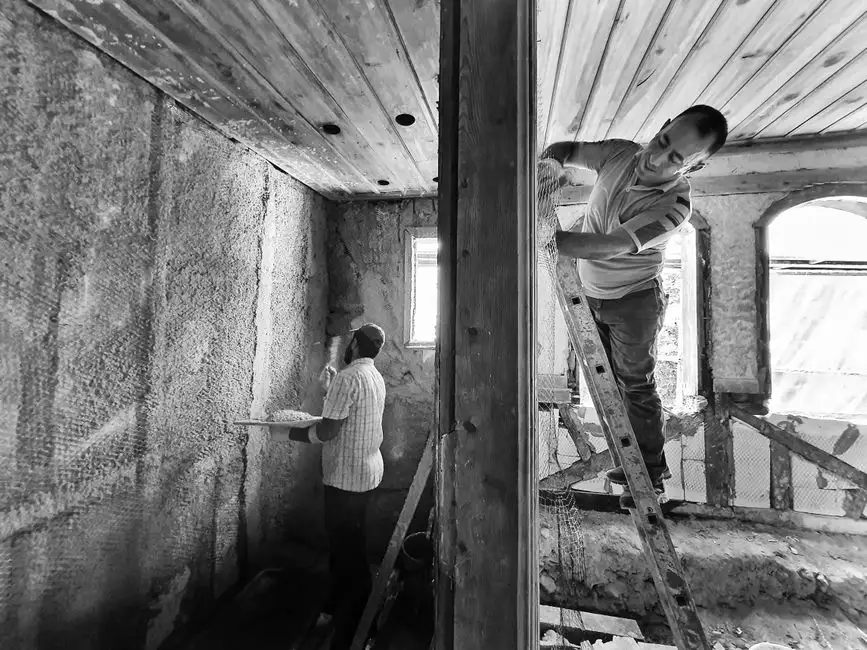
Wall Insulation in Clinton is the work of filling the empty cavities inside your exterior and interior walls with a material that slows heat movement and blocks air leaks. On a typical Clinton home, that means drilling small holes between studs, blowing in cellulose or fiberglass, sealing the top plates and outlets with spray foam, and patching the holes so you never see them. We check R-value against Utah code, run a thermal imaging camera across the wall, and confirm the cavity is actually full before we pack up.
Most Clinton homes we open up were built between 1955 and 1995, and a lot of them have nothing in the wall but a thin layer of old batts that sagged years ago. That is why so many homeowners call us after a cold snap, when the north-facing bedroom hits 58 degrees and the furnace never shuts off. If you are searching for wall insulation near me Clinton, the real question is whether your walls have any insulation at all, and a $0 estimate answers that in about 20 minutes.
How we workWe verify the cause, compare realistic options, and confirm the repair before we leave.
The service timeline
How Our Wall Insulation Process Works
The process flexes to the condition, but these checkpoints keep decisions clear.
Free Wall Assessment
We walk the house with a thermal imaging camera and a moisture meter, checking every exterior wall for cold spots and hidden moisture. You get a written R-value reading per wall and a flat price. Most assessments take 30 to 45 minutes.
Air Sealing
Before any insulation goes in, we seal top plates, outlet boxes, and pipe penetrations with spray foam and insulation tape. Air leaks are half the problem in older Clinton homes, and sealing them first makes the insulation work the way it should.
Cavity Fill
We drill 2-inch holes between studs and blow in cellulose or fiberglass with a blower. Closed cavities get spray foam or foam board. We check density as we go so there are no voids, no settling, and no gaps behind the drywall.
Verification
After the fill, we re-scan the wall with the thermal camera and confirm the R-value matches the target. Any low spot gets topped off before we patch. You see the before and after images on our tablet.
Patch and Cleanup
We plug the drill holes, sand them smooth, and vacuum the room. Most wall insulation jobs in Clinton finish in one day. You get a walkthrough, a written R-value report, and a 5-year workmanship warranty on the install.
Tools & methods
Tools and Methods We Use
Purpose-built equipment, used by trained technicians, so the job is done accurately the first time.
Thermal Imaging Camera
We scan every wall before and after the job to find cold spots and confirm the insulation is even. You see the images on our tablet.
Blown-In Insulation Machine
This is what fills finished wall cavities through small holes. We control the density so the cellulose or fiberglass does not settle over time.
Spray Foam Gun
Used for air sealing around top plates, outlet boxes, and pipe penetrations. It is the step that stops the draft before the insulation goes in.
Moisture Meter
We check every cavity for hidden moisture before insulating. A wet wall has to be dried and treated first, or the new insulation will fail.
Fiberglass Batt Knife
For cutting batts to fit around wires, boxes, and odd stud spacing. A clean cut means no gaps and no compression.
Respirator and Protective Suit
Standard safety gear for every installer on every job. We follow OSHA rules on air quality and PPE, especially on older Clinton homes.
Staple Gun and Utility Knife
Used to secure vapor barriers, insulation tape, and foam board. Small tools, but they are what make the assembly airtight.
Use cases
When Clinton Homeowners Call Us
These examples show how the service framework adapts rather than forcing every call through one repair.
Frozen Pipe in South Clinton
A pipe in the exterior wall froze two winters in a row, and the second freeze split the copper and soaked the drywall. The homeowner was looking at a repair bill over $2,000. → We opened the cavity, insulated around the pipe to R-13, air-sealed every penetration, and re-scanned the wall. The pipe has not frozen since, and the wall reads an even temperature across the whole surface.
Noisy Wall Near the Highway in Lakeview
A home close to the highway with a front wall that transmitted traffic noise into the living room all day. The wall was also cold to the touch in winter. → We packed the front wall with mineral wool, sealed the outlets, and added a vapor barrier where the assembly needed one. The room is noticeably quieter, and the wall surface now reads within 3 degrees of room temperature.
Problems we solve
Wall Problems We Fix in Clinton Homes
Most Clinton wall complaints come down to one of four things: no insulation, settled insulation, air leaks, or moisture. We diagnose which one you have before we quote the job.
Cold walls and drafty rooms all winter
We scan the wall, confirm the R-value, and blow in cellulose or fiberglass to fill the cavity. Air sealing around outlets and top plates stops the draft at the source. Most Clinton walls hit R-15 after the fill.
High energy bills with no clear cause
We measure the actual R-value per wall and insulate the worst offenders first. Pairing wall insulation with attic and rim joist work usually cuts heating demand by 20 to 30 percent.
Frozen pipes inside exterior walls
We insulate the wall cavity around the pipe and air-seal every penetration. The pipe stays above freezing through a Utah cold snap, and the wall stays dry.
Moisture, mold, and musty smells in the wall
We remove the wet material, treat the cavity, and re-insulate with a moisture-tolerant option like mineral wool or spray foam. A vapor barrier goes in where the assembly needs one.
Pricing process
What Wall Insulation Costs in Clinton
$1,200 - $3,400 for a whole-house exterior wall package; $450 - $1,100 for a single room or section
Square Footage
The bigger the wall area, the more material and labor. A single bedroom wall is a small job. A whole-house exterior wall package is the largest. We measure on site and price by the square foot.
Cavity Access
Finished walls get drilled and patched, which takes more time than an open wall. If you are already remodeling and the drywall is off, the job is faster and cheaper.
Material Choice
Blown-in cellulose and fiberglass are the most affordable. Spray foam costs more per square foot but seals and insulates in one step. Mineral wool sits in the middle and handles moisture better.
How much does wall insulation cost in Clinton UT?
Most Clinton wall insulation jobs run $1,200 to $3,400 in 2026, depending on square footage, cavity access, and material. Blown-in cellulose is the most affordable, spray foam is the highest. We give you a flat number after a free assessment, and that price includes air sealing, patching, and cleanup.
What is the best wall insulation for Clinton Utah?
For most Clinton homes, dense-packed cellulose or fiberglass batts hit the right balance of cost and R-value in a standard 2x4 wall. Spray foam wins where you need an air barrier and the highest R-per-inch, like rim joists and crawl space walls. We match the material to the cavity, not the other way around.
Can you add wall insulation to an existing home in Clinton UT?
Yes. We insulate finished walls from the outside or through small interior holes, then patch and paint. Most homes in Clinton are done in one day with no drywall removal. You keep living in the house while we work, and the holes disappear when we are done.
Who installs wall insulation near me in Clinton?
Sealwise Vale installs wall insulation across Clinton and Davis County. We are BPI Certified, Utah licensed, and carry a 5-year workmanship warranty. Call (855) 927-7517 and we will schedule a free same-day assessment, usually within a few hours.
Related services
Other Insulation Services We Offer
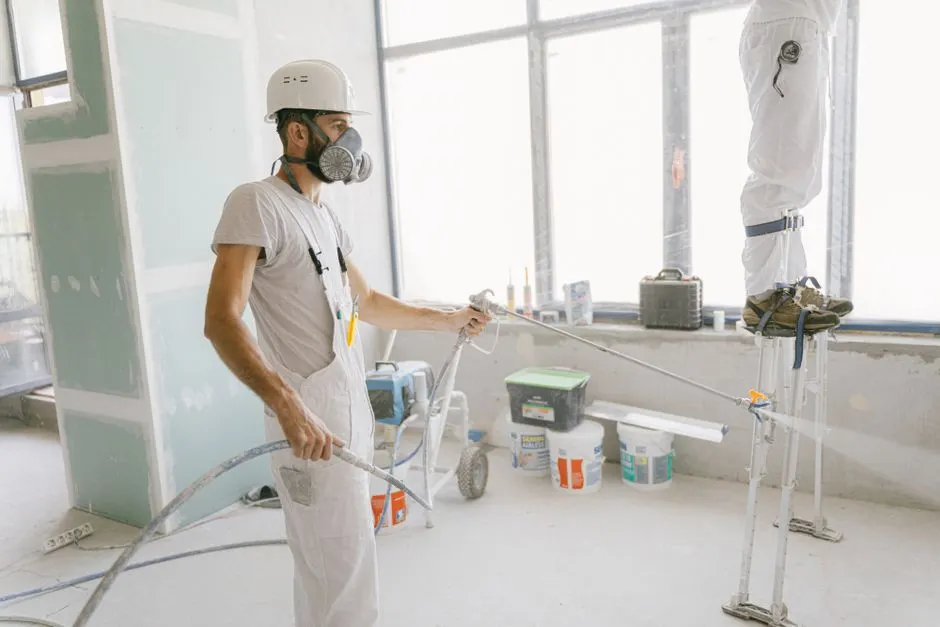
Spray Foam Insulation
Spray foam seals and insulates in one pass, which makes it the go-to for rim joists, crawl space walls, and any Clinton cavity where air leaks are the main problem. We pair it with wall insulation when the cavity is too shallow for batts.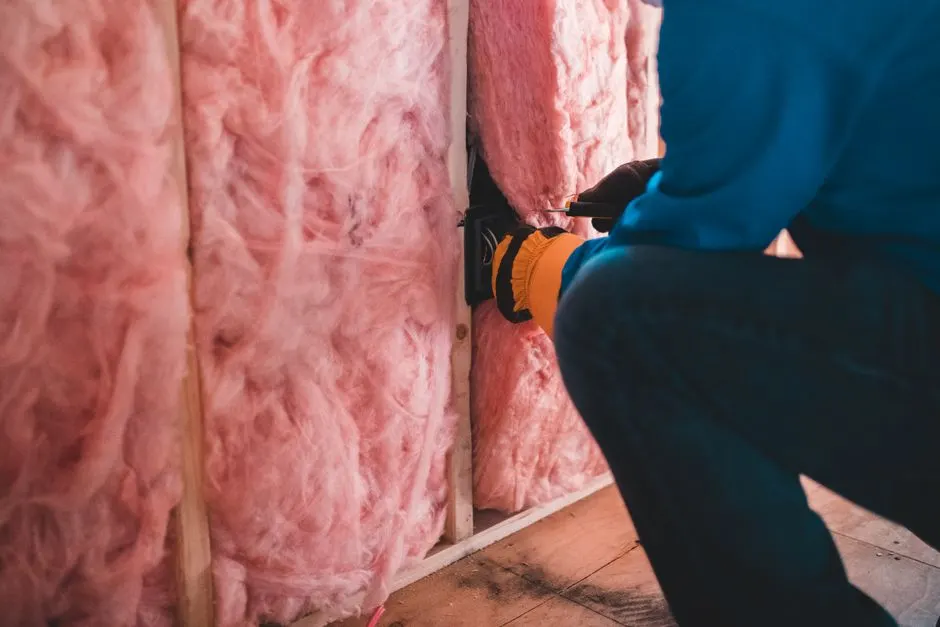
Attic Insulation
Walls and attics work together. If your Clinton attic is under-insulated, wall insulation alone will not fix a cold house. We check both on the same visit and give you one flat price for the whole envelope.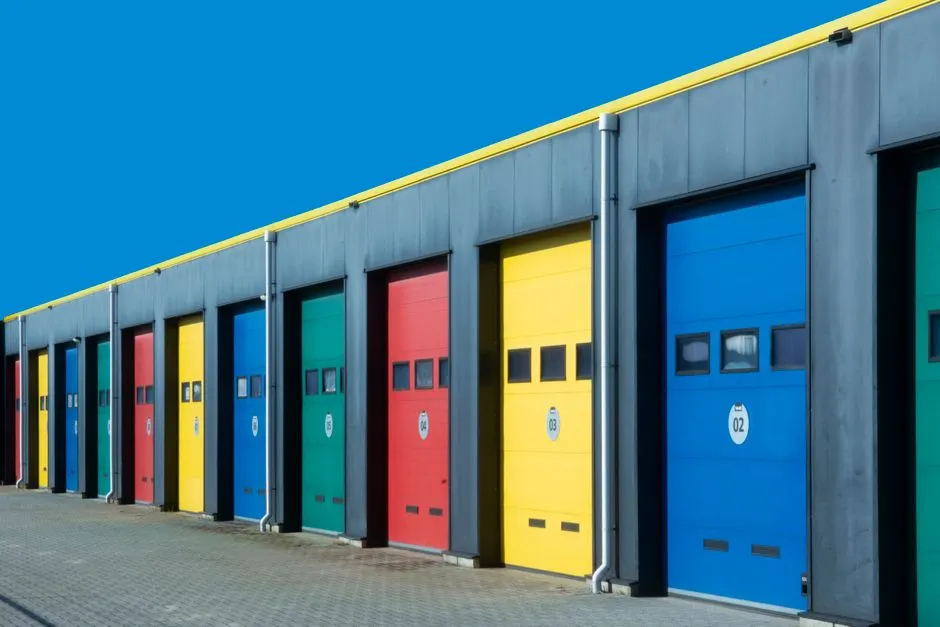
Garage Door Insulation
An uninsulated garage door dumps cold air into any room above or beside it. We insulate the door panels and the shared wall so your Clinton garage stops acting like a freezer. It is a small job with a big comfort payoff.Ready when you are
Get Your Wall Insulation in Clinton Priced Today
Call (855) 927-7517 and we will be at your Clinton home the same day for a free wall assessment. You get a thermal scan, a written R-value reading, and a flat price before we drill a single hole. Licensed, insured, and warrantied for 5 years.
Talk with the local team
Request Wall Insulation
Call (855) 927-7517 or email info@sealwisevale.com and we will get you on the schedule. We answer the phone during business hours and roll a truck after hours for emergencies like frozen pipes or storm damage. Most estimates are booked within a day or two.