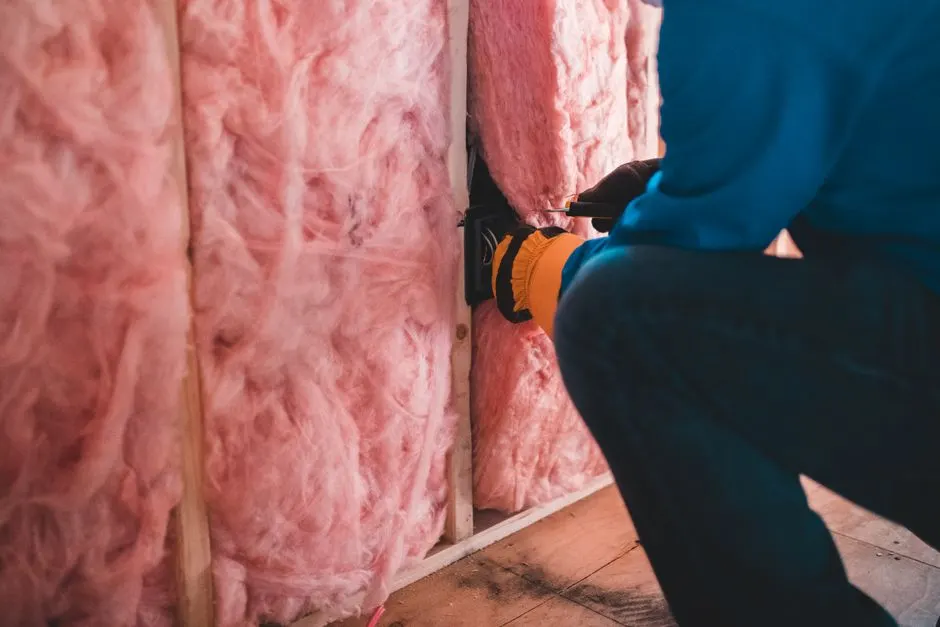
Blown-in and batt insulation installed right across Davis County
Attic Insulation in Clinton that stops heat loss cold
If your upstairs rooms run hot in July and your furnace never quits in January, your Attic Insulation in Clinton is probably the culprit. We measure what you have, find the air leaks, and blow in the right R-value for a Clinton UT attic. Most homes here were built before modern energy codes, so the fix pays for itself fast.
Live phone supportUpfront optionsBacked workmanship
What's included
What our attic insulation service includes
Every attic job starts with a full inspection and ends with documented R-value. Here is what is covered in a standard Clinton attic insulation install, and what we quote separately if your attic needs it.
Full attic inspection
Thermal imaging camera scan, moisture meter readings, and depth measurements in every bay. You get photos and a written R-value recommendation before we quote a price.
Air sealing
We foam top plates, plumbing and electrical penetrations, and box out recessed lights. This is the step most cheap insulation quotes skip, and it is where 5 to 10 percent of your heat loss lives.
Blown-in or batt installation
Cellulose, fiberglass, or mineral wool blown to the target depth for your Clinton attic, with baffles at the eaves to keep the roof deck ventilated. Depth is marked on the rafters.
Vapor barrier and ventilation check
We confirm the vapor barrier is on the right side and that intake and exhaust vents are not blocked by new material. Blocked ventilation is the number one cause of attic condensation after an insulation job.
Cleanup and documentation
Drop cloths come down, the access panel gets sealed, and you get photos of the finished depth plus the product spec sheet for your records or an energy rebate filing.
Service overview
What Attic Insulation in Clinton actually involves
Attic Insulation in Clinton is the layer of material between your living space and the roof deck that slows heat movement in both directions. In practice that means checking the depth and condition of what is already up there, sealing the gaps around plumbing stacks, recessed lights, and top plates, then adding fiberglass batts, cellulose, or blown-in insulation to reach the R-value your Clinton home needs. We use a thermal imaging camera and moisture meter before we touch a bag of material, because adding insulation over a wet or leaky attic just hides a bigger problem.
Clinton sits in Davis County where January nights drop into the teens and July afternoons push triple digits, so attics here take a beating from both ends. Homes in Clinton Heights and Sunset Heights often have 4 to 6 inches of settled insulation, which is roughly R-11 to R-19, well under the R-49 to R-60 that Utah's energy code calls for in this climate zone. That gap shows up as cold ceilings, drafty rooms, ice dams on the north slope, and heating bills that climb every winter.
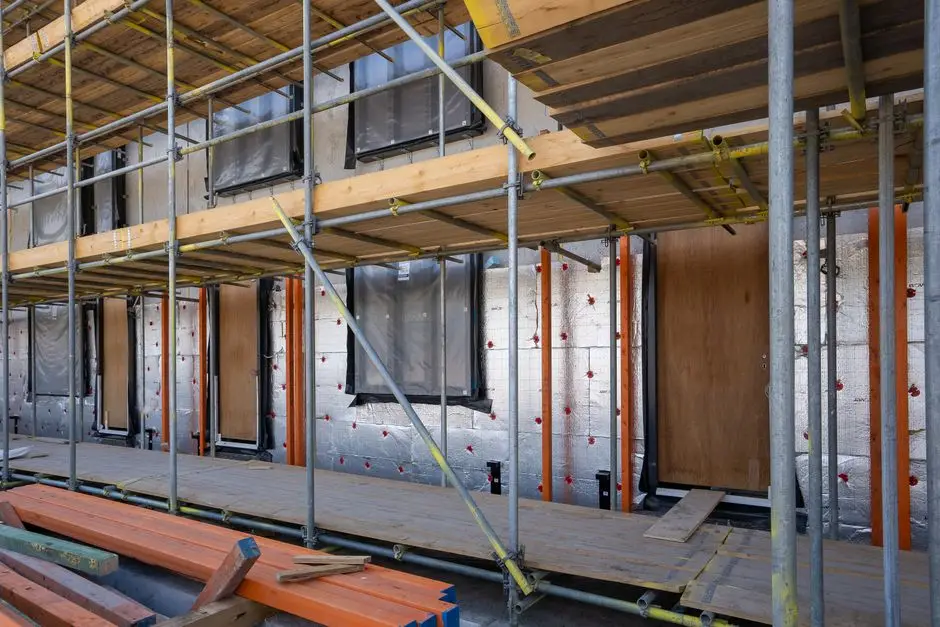
How we workWe verify the cause, compare realistic options, and confirm the repair before we leave.
The service timeline
How our attic insulation process works
The process flexes to the condition, but these checkpoints keep decisions clear.
Attic inspection
We climb up with a thermal imaging camera and moisture meter, measure existing depth in every bay, and photograph the air leaks around chases, top plates, and can lights. You get a written R-value recommendation and a flat price before we schedule anything. Takes about 45 minutes.
Air sealing first
Insulation cannot do its job if hot air is escaping through a half-inch gap. We foam the top plates, seal plumbing and electrical penetrations, and box out recessed fixtures. This step alone often recovers 5 to 10 percent of your heat loss before a single bag of material goes in.
Removal when needed
If old insulation is wet, matted, or contaminated with rodent droppings, we bag it out through a chute and haul it away. Attic insulation removal and replacement Clinton Utah homeowners call us for usually adds two to four hours and a disposal fee, but it is the only way to fix a compressed, failing layer.
Blowing in new material
We run the blown-in insulation machine from the truck and fill every bay to the target depth, marking the level on the rafters so you can verify it later. Baffles at the eaves keep airflow moving so the roof deck stays ventilated and dry.
Final walkthrough
We take photos of the finished depth, hand you the R-value documentation, and walk the attic with you if you want to see it. The workmanship is warrantied, and we leave the access panel sealed and the drop cloths folded. Total job time for a typical 1,500 square foot attic is four to six hours.
Tools & methods
Tools and methods we use on Clinton attics
Purpose-built equipment, used by trained technicians, so the job is done accurately the first time.
Blown-in insulation machine
Runs from the truck and fluffs cellulose or fiberglass as it blows, so the material fills every bay evenly instead of piling up in one spot.
Thermal imaging camera
Shows us where heat is actually escaping before we quote. It catches missing insulation and air leaks that a visual walkthrough would miss.
Moisture meter
Reads the water content in insulation and roof sheathing. If it is wet, we stop and fix the leak before adding anything new.
Fiberglass batt knife
Cuts batts cleanly around joists, rafters, and wiring so there are no gaps at the edges where heat sneaks through.
Spray foam gun
Applies expanding foam to top plates, chases, and electrical penetrations. This is the air-sealing step that makes the insulation actually work.
Respirator and protective suit
Standard PPE for every attic entry. Old insulation is dusty and sometimes contaminated, and we do not send anyone up without protection.
Staple gun and insulation tape
Fastens baffles, vapor barrier, and foil facing so nothing shifts or sags after the job is done.
Use cases
When Clinton homeowners call us for attic work
These examples show how the service framework adapts rather than forcing every call through one repair.
Riverview ice dam fix
Recurring ice dams on the north slope every winter for three years, with water staining the ceiling drywall in two rooms. The attic had open top plates and unsealed can lights. → We foamed every top plate and can light, cleared the eave baffles, and brought the attic to R-52. No ice dams formed the following January, and the ceiling stains stopped spreading.
Sunset Heights bonus room rescue
A bonus room over the garage that swung from 88 degrees in summer to 58 in winter. The floor above the garage had no insulation, and the knee walls were bare drywall. → We insulated the garage ceiling to R-30, dense-packed the knee walls, and topped the attic to R-49. The room now tracks within 2 degrees of the rest of the house year-round.
Problems we solve
Attic problems we fix in Clinton homes
Most Clinton attics we open up have at least two of these issues. None of them fix themselves, and all of them get worse every winter you wait.
Insulation sitting at R-11 when code wants R-49
We measure the existing depth, calculate the gap, and blow in the additional material to hit R-49 or better. Most Clinton attics need 8 to 12 inches added, which takes three to four hours.
Air leaks around top plates and can lights
We foam every penetration before adding insulation. Sealing first is non-negotiable, because insulation over an open gap is just a filter for escaping heat.
Wet or matted insulation from a roof leak
We pull the wet material, dry the cavity, and check the roof deck with a moisture meter. Once it reads dry, we re-insulate the bay and document the repair.
Cold ceilings and drafty second-floor rooms
We dense-pack the attic floor and seal the knee walls and hatch. Rooms over the garage typically hold within 2 degrees of the thermostat after the work is done.
Pricing process
What attic insulation costs in Clinton
$1,400 - $3,200 depending on square footage, R-value target, and removal needs
Attic square footage
Material cost scales directly with area. A 1,000 square foot attic runs less than a 2,000 square foot one, and we measure it rather than estimating from the house footprint.
Target R-value
Going from R-11 to R-49 needs roughly 12 inches of material. If you want R-60 for extra margin, expect 15 to 20 percent more material and a slightly higher price.
Removal of old insulation
Wet, matted, or contaminated material has to come out before anything new goes in. Removal and disposal adds $400 to $900 depending on volume and attic access.
How much does attic insulation cost in Clinton UT?
Most Clinton attic jobs run $1,400 to $3,200 in 2026, with the average around $2,100 for a 1,200 to 1,600 square foot attic. Blown-in cellulose and fiberglass are the cheapest per square foot; spray foam costs more but seals better. Removal of old material adds $400 to $900 depending on volume.
What R-value attic insulation for Clinton Utah?
Utah's energy code calls for R-49 to R-60 in this climate zone, which works out to roughly 14 to 18 inches of blown-in fiberglass or cellulose. Most Clinton attics we inspect sit at R-11 to R-19, so we are usually adding 8 to 12 inches. We mark the target depth on the rafters so you can check it yourself.
Who installs attic insulation near me in Clinton?
Sealwise Vale installs attic insulation across Clinton and the rest of Davis County, including 84015. We are a licensed Utah contractor, fully insured, and we have been working in this area since 2022. Call (855) 927-7517 and we will get an inspector to your attic, usually within a day or two.
Can I add attic insulation over old insulation in Clinton UT?
Yes, if the old material is dry, clean, and not compressed into a mat. We inspect with a moisture meter first, because adding over wet insulation traps mold against the drywall. If it is contaminated or soaked, we remove it and start fresh, which is the only honest fix.
Related services
Other insulation work we handle in Clinton
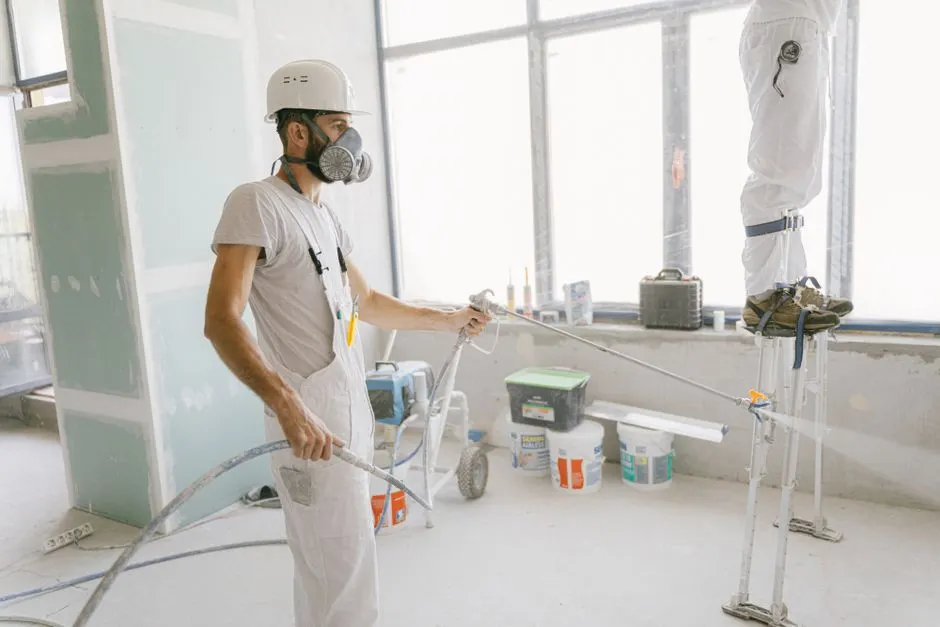
Spray Foam Insulation
Spray foam seals the rim joists and attic penetrations that fiberglass cannot reach. We often pair it with attic work in Clinton homes that have open chases or unsealed top plates, because the foam stops the air leak and the blown-in material handles the R-value.
Garage Door Insulation
An uninsulated garage door is a giant heat sink, especially on a west-facing Clinton driveway. Foam board or reflective foil on the door panels keeps the garage 10 to 15 degrees warmer in winter and stops the cold from bleeding into the rooms above it.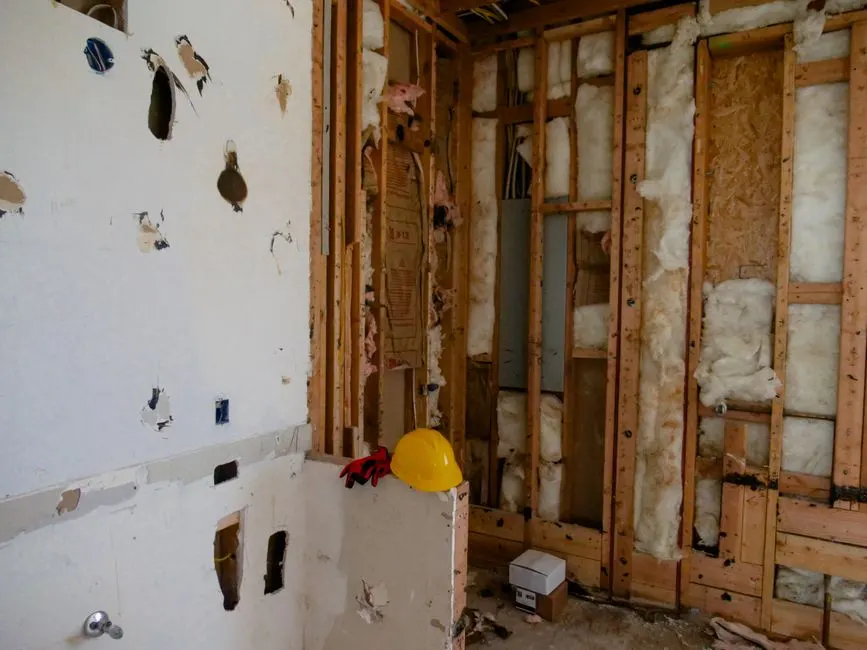
Fiberglass Insulation
Fiberglass batts are the workhorse for attic floors and knee walls. We cut them with a fiberglass batt knife for a tight fit around joists and rafters, because gaps at the edges are where most of the heat escapes in a Clinton attic.Ready when you are
Get your Attic Insulation in Clinton quoted this week
One inspection, one flat price, no pressure. We are licensed, insured, and we have been working Clinton attics since 2022. Call (855) 927-7517 and we will get an inspector to your attic, usually within a day or two.
Talk with the local team
Request Attic Insulation
Call (855) 927-7517 or email info@sealwisevale.com and we will get you on the schedule. We answer the phone during business hours and roll a truck after hours for emergencies like frozen pipes or storm damage. Most estimates are booked within a day or two.