Blown-in, spray foam, and batt systems built for Utah's temperature swings
Roof Insulation in Clinton that pays you back every month
Roof Insulation in Clinton is the fastest way to stop paying to heat the sky above your house. We blow in cellulose, set Owens Corning batts, and air-seal the flat ceilings and vaulted lids that leak in Davis County homes. If your upstairs runs 8 degrees hotter than the main floor, or your furnace never shuts off in January, we can fix that. Free attic inspection, same-week install, and a written R-value target before we start.
Live phone supportUpfront optionsBacked workmanship
What's included
What our roof insulation service covers
Every Clinton roof insulation job includes the inspection, the air sealing, the material, the ventilation check, and the cleanup. We handle the whole ceiling assembly, not just the top-off. Add-ons like full removal or vaulted ceiling foam are quoted separately after we see the attic.
Thermal inspection and moisture check
We climb the attic with a thermal imaging camera and moisture meter, photograph every gap, and measure existing depth at five points. You get a written R-value target and a flat price before we start. Takes 30 to 45 minutes and costs nothing.
Air sealing before insulation
We seal top plates, can lights, wire penetrations, and plumbing chases with spray foam and Great Stuff. This is the step that makes the insulation actually work. Without it, you are paying to insulate a leaky ceiling.
Blown-in or batt installation
We bring the ceiling to R-49 on flat attics using cellulose or fiberglass batts, and R-38 minimum on vaulted lids with spray foam or foam board. Material choice depends on your framing, access, and budget. We spec the right system, not the easiest one.
Baffles and ventilation check
We install baffles at every eave so intake air stays open, and we check that exhaust ventilation is not blocked. Insulation without airflow traps moisture and rots your deck. This step protects the roof, not just the R-value.
Vapor barrier and seam taping
Where the assembly calls for it, we lay a vapor barrier and tape every seam with insulation tape rated for Utah's temperature swing. Metal buildings and pole barns get foil or double bubble systems instead, taped tight as a radiant barrier.
Verification, photos, and cleanup
We re-scan with the thermal camera, check depth at five points, and photograph the finished attic for your records. Every scrap of old material and packaging leaves with us. Most Clinton jobs wrap in 4 to 7 hours.
Service overview
Roof Insulation in Clinton, done to Utah code
Roof Insulation in Clinton is the layer of material that slows heat moving through your ceiling and roof deck, and it is the single biggest lever on your utility bill. We install fiberglass batts, blown-in cellulose, mineral wool, spray foam, and foam board depending on what your attic framing allows. Every job starts with a thermal imaging camera pass to find the cold spots, then a moisture meter check to make sure we are not trapping water against your deck.
Clinton sits in Davis County where July attic temps hit 140 degrees and January nights drop below 15. That swing destroys cheap insulation. We see 1980s and 1990s builds near Clinton Heights and South Clinton with settled cellulose down to R-11 when code wants R-49. If you are searching for roof insulation near me Clinton, that gap is usually why your upstairs is unbearable and your furnace runs nonstop.
How we workWe verify the cause, compare realistic options, and confirm the repair before we leave.
The service timeline
How our roof insulation install runs
The process flexes to the condition, but these checkpoints keep decisions clear.
Attic inspection
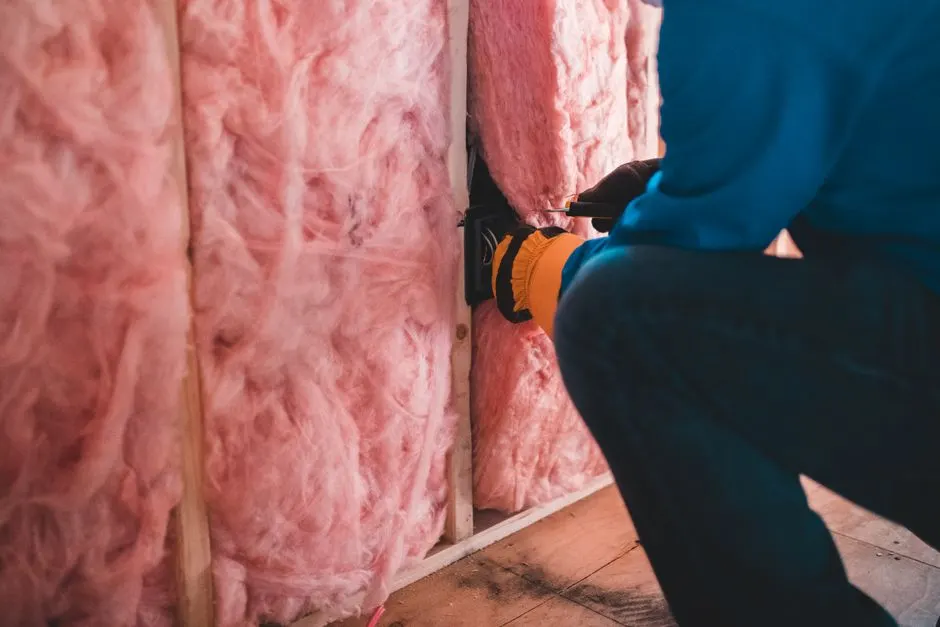
We climb the attic with a thermal imaging camera and moisture meter, photograph every gap, and measure existing depth. You get a written R-value target and a flat price before we touch anything. Takes 30 to 45 minutes.
Air sealing
We seal top plates, wire penetrations, can lights, and plumbing chases with spray foam and Great Stuff. This is the step most crews skip. Without it, a blower door test will show you are still leaking 30 percent of your conditioned air.
Insulation install
Depending on your framing, we blow cellulose through an insulation blower, set Owens Corning or Johns Manville batts, or spray closed-cell foam. Vaulted ceilings get foam board or spray foam. We install baffles at every eave so airflow stays open.
Vapor barrier and tape
We lay a proper vapor barrier where the assembly calls for it, then tape seams with insulation tape rated for the temperature swing. Foil and double bubble go in on metal buildings and pole barns where radiant heat is the main problem.
Verification and cleanup
We re-scan with the thermal camera, check depth at five points, and haul out every scrap. You get photos of the finished attic and the R-value reading. Most Clinton jobs wrap in 4 to 7 hours.
Tools & methods
Tools and methods we use in Clinton attics
Purpose-built equipment, used by trained technicians, so the job is done accurately the first time.
Thermal imaging camera
Finds the cold spots and air leaks before we quote, and verifies the fix after. Every Clinton job starts and ends with a scan.
Insulation blower
Blows cellulose and fiberglass to an even depth across the attic. We use depth markers so coverage is uniform, not piled in the middle.
Spray foam gun
Seals top plates, can lights, plumbing chases, and rim joists. This is the step that makes the insulation perform.
Moisture meter
Checks the deck and existing material for water before we cover anything. Trapping moisture is how attics rot.
Fiberglass batt knife and staple gun
Cuts Owens Corning and Johns Manville batts to a tight fit around joists and wires, then staples them in place.
Respirator and protective suit
Standard gear for every attic we enter, especially on insulation removal jobs with old contaminated material.
Use cases
When Clinton homeowners call us
These examples show how the service framework adapts rather than forcing every call through one repair.
Vaulted bonus room in Lakeview made usable
A bonus room over the garage with a cathedral ceiling and no insulation at all. It hit 95 degrees in July and 48 degrees in January. The homeowner used it for storage only. → We sprayed closed-cell foam to R-38 on the vaulted lid and blew cellulose over the flat section. The room now holds 72 degrees in summer and 68 in winter with the house system running normally. It became a home office.
Ice dam fix on a South Clinton rambler
Three straight winters of ice dams on the north eave, one shingle replacement, and water stains on the ceiling below. The attic had R-15 batts and blocked intake baffles. → We air-sealed the ceiling plane, cleared and added baffles, and brought the assembly to R-49. The roof deck stayed cold through the next winter and no dams formed. The ceiling stains were repaired and never came back.
Problems we solve
Clinton roof problems we fix for good
Most Clinton attic calls come down to four issues: thin insulation, air leaks, moisture, and blocked ventilation. Each one has a different fix, and guessing wrong wastes money. Here is what we see and how we solve it.
Upstairs rooms 8 to 10 degrees hotter than downstairs
We air-seal the ceiling plane, then bring the assembly to R-49 with blown cellulose or spray foam. The thermal scan before and after shows the delta. Most Clinton homeowners can raise the thermostat 2 degrees within a week.
Ice dams forming at the eaves every winter
We seal the air leaks that heat the roof, add baffles at every eave, and bring the ceiling to R-49 so the deck stays cold and even. Snow melts from the sun, not from your furnace, and the dams stop forming.
Cold floors and drafty rooms in January
We dense-pack walls where access allows, insulate the rim joists and floor over unheated spaces, and seal every penetration we can reach. The house holds heat, the furnace cycles less, and the pipes in the garage stay above freezing.
Condensation and mold on the roof deck
We check intake and exhaust ventilation first, clear or add baffles, and install a proper vapor barrier where the assembly calls for it. Then we insulate to spec. Fixing the moisture source before adding material is the only way it stays fixed.
Pricing process
What roof insulation costs in Clinton
$1,800 - $4,500 for a typical Clinton attic, or $1.20 - $2.50 per square foot
Attic square footage
Material is priced per square foot, so a 2,000 square foot attic costs more than a 1,000 square foot one. We measure at the inspection and quote the exact number, not a range.
Existing R-value and condition
A top-off over clean R-19 is cheap. Contaminated or wet material has to come out first, which adds removal and disposal. We check with a moisture meter before quoting.
Material choice
Blown cellulose is the best value. Spray foam costs more per square foot but air-seals in the same pass, which often makes it the better total number on vaulted ceilings and irregular framing.
How much does roof insulation cost in Clinton UT?
Most Clinton attic jobs run $1,800 to $4,500 in 2026, depending on square footage, existing R-value, and whether we are spraying foam or blowing cellulose. A simple blown-in top-off on a 1,200 square foot attic lands near the low end. Vaulted ceilings, foam board, and full removal push it higher. We quote flat after the inspection, so the number you hear is the number you pay.
What is the best roof insulation for Clinton Utah?
Blown-in cellulose at R-49 is the best value for most flat-ceiling Clinton attics, and it handles the summer heat well. For vaulted ceilings and cathedral lids, closed-cell spray foam wins because it insulates and air-seals in one pass. Mineral wool is the pick when you want fire resistance and sound control. We match the material to your framing, not to what is easiest to sell.
Does roof insulation help in Clinton UT summers?
Yes, and summer is when you feel it most. A Clinton attic at 140 degrees radiates straight down through a thin ceiling. Bringing the assembly to R-49 can drop that radiant load enough to cut cooling costs 15 to 25 percent and let you raise the thermostat 2 degrees. We verify the change with a thermal imaging camera before and after.
Can roof insulation prevent ice dams in Clinton Utah?
It prevents the cause. Ice dams form when heat escapes the roof, melts snow, and the melt refreezes at the cold eave. Sealing air leaks and bringing the ceiling to R-49 keeps the roof deck cold and even, so snow melts from the sun, not from your furnace. We also check intake baffles and exhaust ventilation, because insulation alone will not fix a blocked attic.
Related services
Other insulation work we handle in Clinton
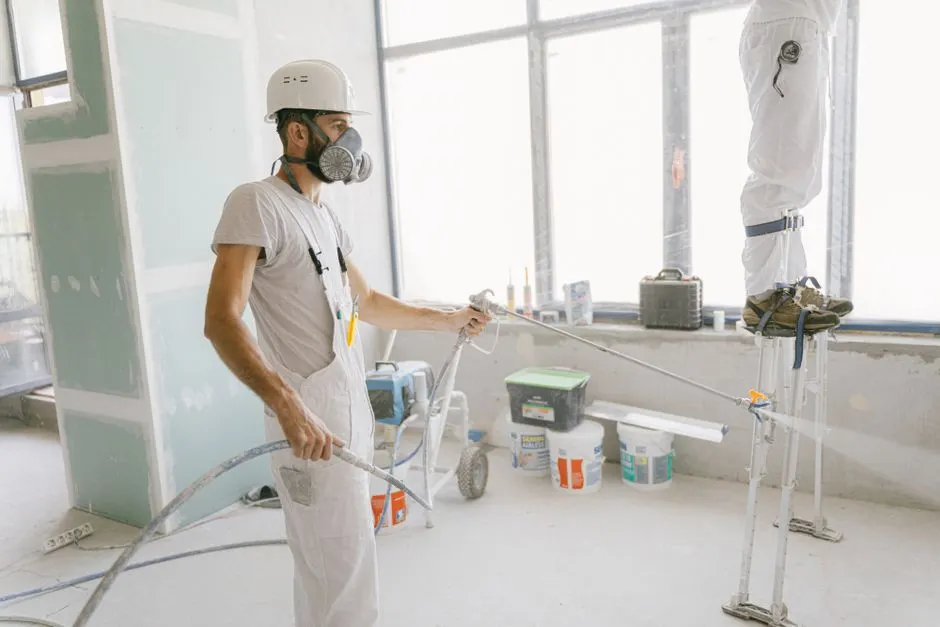
Spray Foam Insulation
Closed-cell spray foam is our go-to for vaulted ceilings and rim joists in Clinton, where batts cannot reach. It air-seals and insulates in one pass, which is why it pairs so well with a roof insulation upgrade. We spray it with a heated gun and shave it flat to depth.Attic Insulation
Attic insulation and roof insulation are the same job on most Clinton homes, since the ceiling plane is the roof plane. We blow cellulose to R-49, install baffles at every eave, and air-seal before we add material. One visit covers both.
Garage Door Insulation
An insulated garage door stops the biggest heat loss on the front of a Clinton house. We cut foam board to the panel cavities and tape the seams, which keeps the garage 10 to 15 degrees warmer in January and protects the water heater and pipes inside it.Ready when you are
Get your Clinton roof insulation quote this week
One free attic inspection, one flat price, and a thermal scan when we are done. We are a state-licensed Utah contractor with a 5-year workmanship warranty, and we answer the phone at (855) 927-7517. Call today and we will get you on the schedule.
Talk with the local team
Request Roof Insulation
Call (855) 927-7517 or email info@sealwisevale.com and we will get you on the schedule. We answer the phone during business hours and roll a truck after hours for emergencies like frozen pipes or storm damage. Most estimates are booked within a day or two.