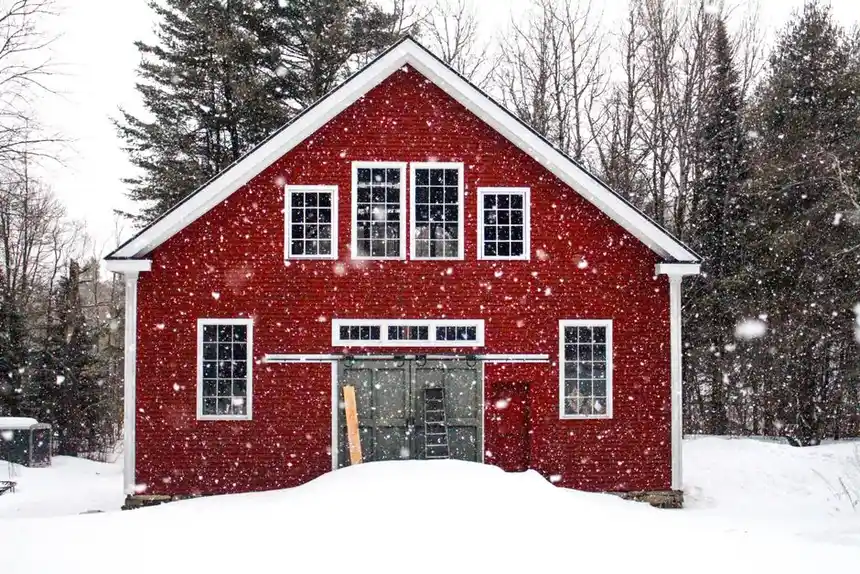
Spray foam, fiberglass, and vapor barriers built for Clinton, Utah pole barns
Pole Barn Insulation in Clinton that stops condensation and cuts heat loss
Pole Barn Insulation in Clinton is the fastest way to stop sweating metal panels, frozen water lines, and heat that escapes through every seam. We insulate shops, garages, and ag buildings across Clinton, UT with spray foam, fiberglass batts, and sealed vapor barriers. If your barn is cold in January and roasting in July, we fix that in a single visit.
Live phone supportUpfront optionsBacked workmanship
What's included
What our pole barn insulation package covers
Every Clinton pole barn job is quoted as a complete envelope, not a pile of materials. Here is what is included in a standard install, and what we treat as an add-on so you can see the whole picture before you commit.
Full envelope assessment
We walk the building, measure cavities, check framing spacing, and scan for air leaks with a thermal imaging camera. You get a written R-value recommendation and a flat price the same day.
Air sealing and vapor barrier
We seal girt lines, top plates, and penetrations with foam and insulation tape, then install a continuous vapor barrier on the warm side. This is the step that stops condensation on Clinton metal panels.
Wall and ceiling insulation
Depending on the spec, we spray closed-cell foam, install fiberglass batts, or blow cellulose into ceiling cavities. Typical Clinton pole barns get R-19 walls and R-30 ceilings.
Door and penetration sealing
Overhead doors, man doors, and conduit runs are the biggest leaks in any pole barn. We seal around all of them so the envelope actually performs the way the R-value says it should.
Final testing and walkthrough
We re-scan with the thermal camera, check moisture readings, and walk the building with you. You get a written summary of materials, R-values, and anything to watch over the first season.
Service overview
What Pole Barn Insulation in Clinton actually involves
Pole Barn Insulation in Clinton means sealing the building envelope of a post-frame structure so heat stays where you put it and moisture never gets a chance to condense on the metal. That starts with air sealing every girt line, then adding the right R-value for our climate zone. We use closed-cell spray foam on walls and ceilings, fiberglass batts behind a vapor barrier, or blown-in cellulose in attic cavities, depending on how the barn is framed and how you use it.
Clinton sits in Davis County where winter nights drop into the teens and summer afternoons push past 95 degrees. That swing is brutal on uninsulated metal buildings. Homeowners call us because their shop heater runs nonstop, their tools rust, and condensation drips off the ceiling every morning. A proper Clinton UT pole barn insulation package stops all three, and it usually pays for itself in two or three heating seasons.
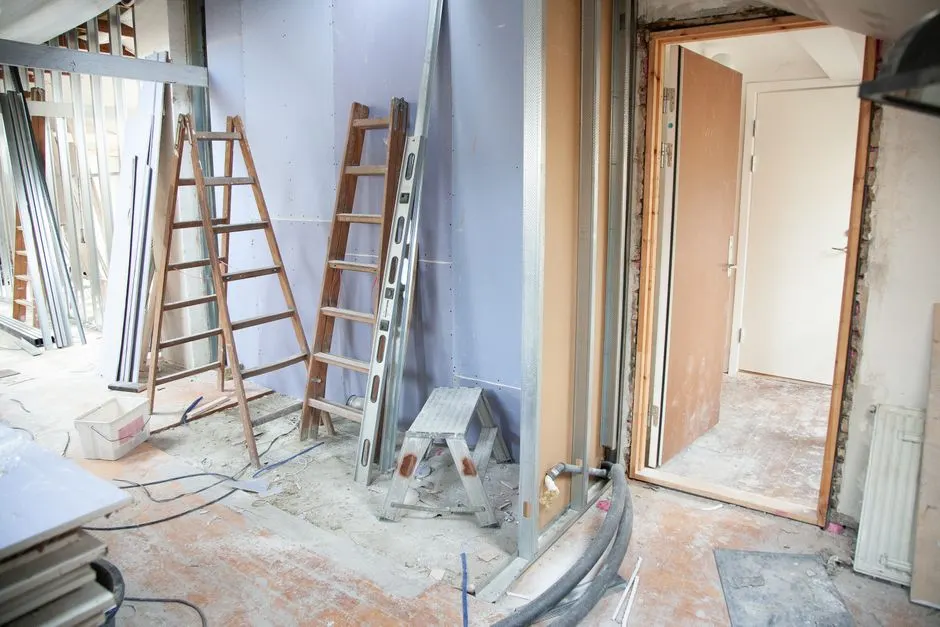
How we workWe verify the cause, compare realistic options, and confirm the repair before we leave.
The service timeline
How our pole barn insulation process works
The process flexes to the condition, but these checkpoints keep decisions clear.
On-site assessment
We walk the barn with you, check framing spacing, measure wall and ceiling cavities, and use a thermal imaging camera to find the worst air leaks. You get a written R-value recommendation and a flat price the same day. Most assessments take 30 to 45 minutes.
Air sealing first
Insulation does nothing if air moves through it. We seal girt lines, top plates, and door openings with Great Stuff foam and insulation tape before any batt or foam goes in. This step alone stops most of the condensation problems we see in Clinton pole barns.
Insulation install
Depending on the plan, we spray closed-cell foam, install fiberglass batts between girts, or blow cellulose into ceiling cavities with an insulation blower. Walls and ceilings get covered in one or two days for a typical 30x40 shop. We mask and protect anything you want kept clean.
Vapor barrier and sealing
We install a vapor barrier on the warm side of the assembly, tape every seam, and seal around conduits, doors, and vents. This is the step that keeps moisture out of the cavity and keeps your R-value where it belongs. It takes a few hours on most jobs.
Final test and walkthrough
We re-scan with the thermal camera, check the moisture meter, and walk the building with you. If anything reads warm or damp, we fix it before we pack up. You get a written summary of what was installed and the R-values achieved.
Tools & methods
Tools and methods we use on Clinton pole barns
Purpose-built equipment, used by trained technicians, so the job is done accurately the first time.
Thermal imaging camera
We scan walls and ceilings before and after the install to find air leaks and confirm the R-value is actually performing. It is how we prove the job is done right.
Moisture meter
Condensation is the number one problem in Clinton pole barns. We read moisture levels in framing and sheathing before we insulate and after, so we know the cavity is dry.
Spray foam gun and proportioner
Closed-cell spray foam needs precise mixing to cure correctly. We run proportioning equipment and spray foam guns daily, so the foam expands and bonds the way it should.
Insulation blower
For ceiling cavities and irregular spaces, we use a blown-in insulation machine to get even coverage around trusses, wiring, and blocking. Batts alone leave gaps.
Fiberglass batt knife and staple gun
Clean batt cuts matter. We use a batt knife for straight edges and a staple gun to secure facing and vapor barrier so nothing sags over time.
Respirator and protective suit
Spray foam and fiberglass both require proper PPE. Our installers wear respirators and protective suits on every job, and we mask your equipment before we start.
Use cases
When Clinton pole barn owners call us
These examples show how the service framework adapts rather than forcing every call through one repair.
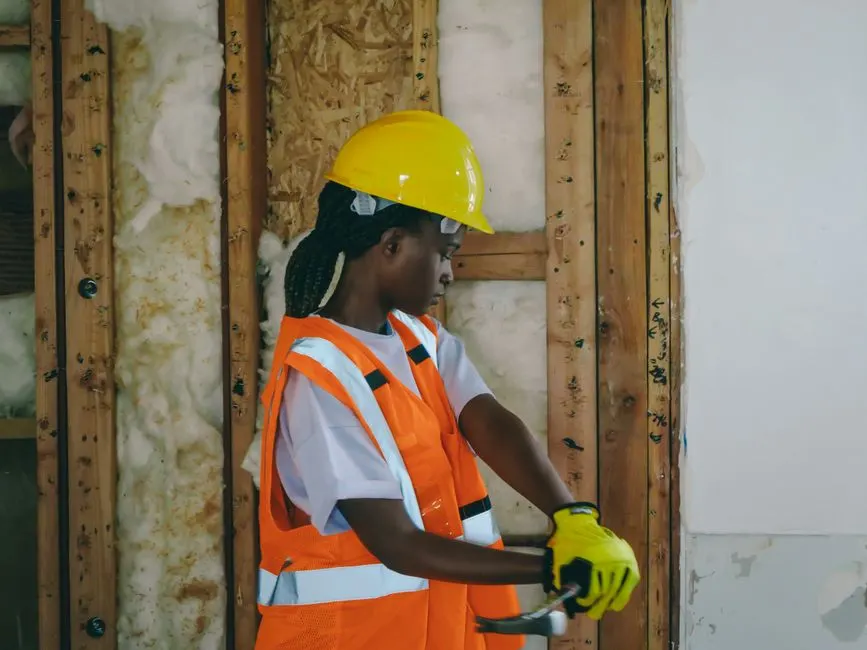
Horse barn in Lakeview
Condensation was dripping onto stored hay and rusting the purlins. The barn had old, compressed batts that had been damaged by rodents, and the walls leaked air around every girt. The owner was losing hay every winter to moisture damage. → We removed the damaged insulation, sealed the cavities, installed new batts with a continuous vapor barrier, and balanced the ventilation. The hay stayed dry through the winter, the metal stopped sweating, and the barn smelled noticeably better within a week.
Welding shop in Clinton Industrial Park
A 60x120 metal building with no wall insulation and a bare ceiling. Summer cooling costs were high, the building was deafening during equipment operation, and the owner wanted to cut both problems without a full remodel. → We sprayed closed-cell foam on the walls for sealing and sound absorption, then blew cellulose into the ceiling to R-38. Summer cooling costs dropped by roughly a third, and the building is noticeably quieter. The owner scheduled the work around shop hours with no downtime.
Problems we solve
Pole barn problems we fix in Clinton
Most Clinton pole barn calls come down to four issues: heat loss, condensation, pests, and noise. Each one has a specific fix, and none of them get better on their own.
Ceiling drips every morning in winter
We air seal the envelope and install a vapor barrier on the warm side so moist air never reaches the cold metal. A moisture meter check before and after proves the fix. Most Clinton barns stop dripping within a day of install.
Shop heater runs nonstop and never gets warm
We bring walls to R-19 and ceilings to R-30, which is the sweet spot for Clinton's climate zone. Sealing the envelope at the same time stops the air leaks that make a heater run forever. Most customers see a 40 to 60 percent drop in heating cost.
Mice and insects living in the walls
We remove damaged material, seal the cavities, and install insulation that pests cannot nest in easily, like closed-cell foam or mineral wool. Sealing the envelope also closes the entry points they were using in the first place.
Barn is deafening when it rains or when equipment runs
Dense insulation and sealed cavities absorb sound the same way they hold heat. Closed-cell foam and mineral wool both cut noise transmission noticeably. Customers tell us the building feels calmer after the install.
Pricing process
What Pole Barn Insulation costs in Clinton
$1,800 - $6,500 depending on scope
Square footage and height
A 30x40 barn with 12-foot walls is a much smaller job than a 60x120 with 20-foot eaves. More surface area means more material and more labor. We measure the actual wall and ceiling area, not just the footprint.
Material choice
Fiberglass batts are the budget option. Closed-cell spray foam costs more but seals and insulates in one step, which often eliminates the need for a separate air sealing pass. Cellulose is the most cost-effective way to hit high R-values in ceilings.
Condition of existing insulation
If old batts are wet, compressed, or contaminated by rodents, they have to come out before new material goes in. Removal and disposal add to the job. We tell you upfront if that is needed.
How much does pole barn insulation cost in Clinton UT?
Most Clinton pole barn insulation jobs run $1,800 to $6,500 in 2026, depending on square footage and material. A 30x40 shop with fiberglass batts and a vapor barrier typically lands around $2,400. The same building with closed-cell spray foam runs $4,500 to $6,000. Ceiling height, framing spacing, and whether we need to remove old material all move the number.
What is the best insulation for a pole barn in Clinton Utah?
Closed-cell spray foam is the best all-around choice for Clinton pole barns because it air seals and insulates in one step, which stops condensation on metal panels. Fiberglass batts with a sealed vapor barrier are the budget option and work well if the building is tight. For ceilings, blown-in cellulose gives you high R-value per dollar. We recommend based on how you use the barn.
How to stop condensation in a pole barn in Clinton UT?
You stop condensation by air sealing first, then insulating. Warm moist air has to be blocked from touching cold metal. We seal girt lines and top plates with foam, install a continuous vapor barrier on the warm side, and make sure the building can vent properly. That combination stops the dripping ceiling and the rust that comes with it.
Can I insulate a pole barn myself in Clinton Utah?
You can install fiberglass batts yourself if you are comfortable on a ladder and can seal the envelope properly. The hard parts are vapor barrier placement and air sealing, and those are exactly where DIY jobs fail. Spray foam requires proportioning equipment and a respirator, so most Clinton owners hire that out. We are happy to quote either path.
Related services
Other insulation work we handle in Clinton
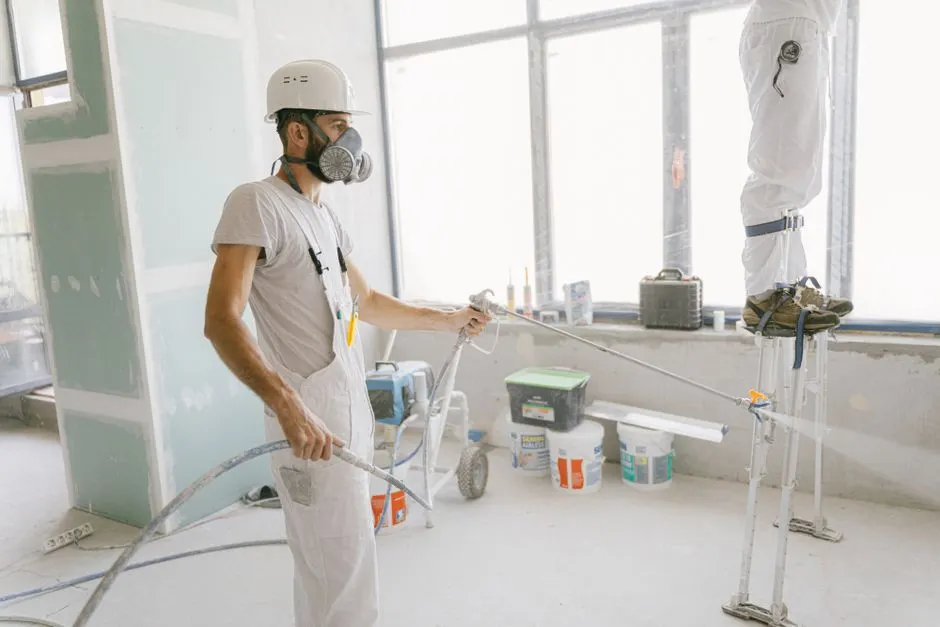
Spray Foam Insulation
Closed-cell spray foam is our go-to for Clinton pole barn walls and ceilings because it seals and insulates in one pass. It stops the condensation cycle that rusts purlins and drips on your equipment.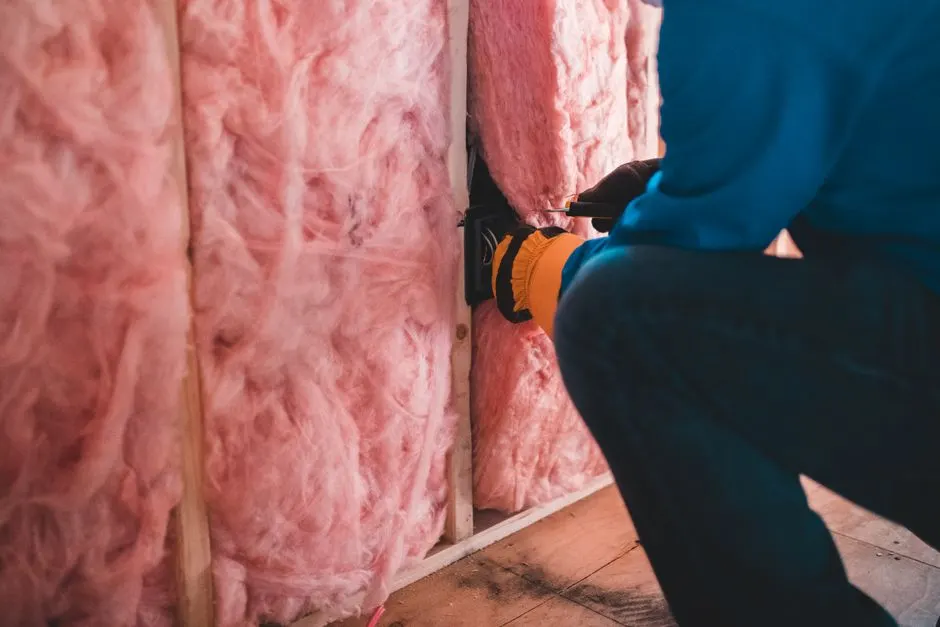
Attic Insulation
If your pole barn has a finished attic or loft, the attic plane needs its own R-value. We blow cellulose or install batts to bring Clinton barn attics up to current Utah code without tearing out the ceiling.
Garage Door Insulation
An uninsulated overhead door is a giant hole in your envelope. We add foam board or a door kit to Clinton pole barn doors so the heat you paid for stays inside instead of bleeding out the panels.Ready when you are
Get Pole Barn Insulation in Clinton before the cold sets in
October is the right month to insulate a Clinton pole barn. Once the ground freezes and the shop heater starts running nonstop, you are paying for heat you never keep. We are licensed, insured, and local to Davis County. Call (855) 927-7517 for a flat quote.
Talk with the local team
Request Pole Barn Insulation
Call (855) 927-7517 or email info@sealwisevale.com and we will get you on the schedule. We answer the phone during business hours and roll a truck after hours for emergencies like frozen pipes or storm damage. Most estimates are booked within a day or two.