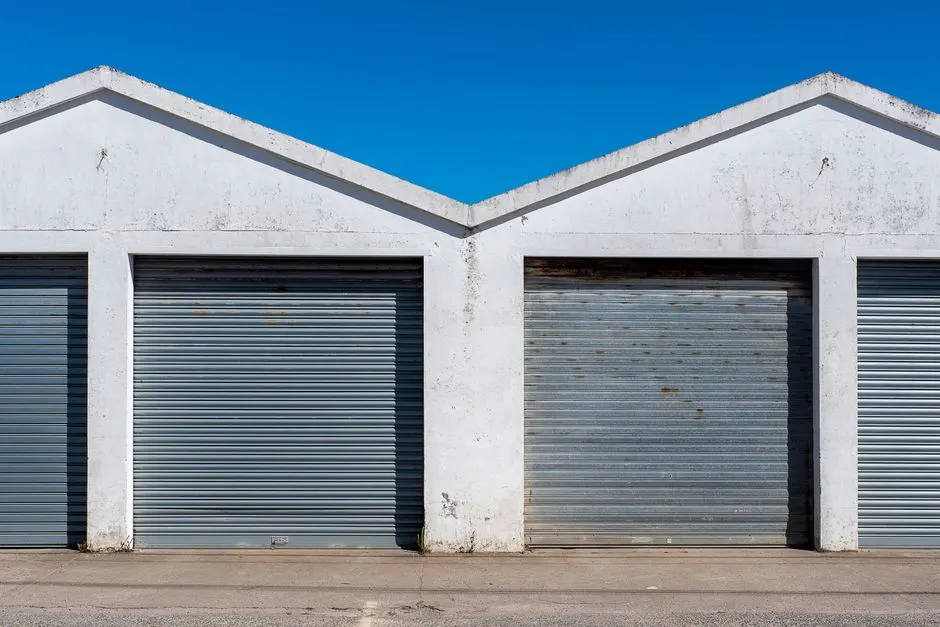
Spray foam, fiberglass, and foil systems built for Utah steel buildings
Metal Building Insulation in Clinton that stops condensation cold
Metal Building Insulation in Clinton is what keeps your shop, barn, or warehouse usable through a Davis County winter and a 98-degree July. We insulate steel buildings, pole barns, and metal shops across Clinton, UT, sealing air leaks and stopping condensation before it drips onto your tools. If your building sweats, roasts, or bleeds heat, we fix it.
Live phone supportUpfront optionsBacked workmanship
What's included
What our Metal Building Insulation includes
Every Clinton metal building job includes the core work that makes the system perform. Add-ons like spray foam upgrades or soundproofing are quoted separately so you only pay for what you need.
On-site moisture and air audit
We check framing with a moisture meter and scan walls and ceilings with a thermal imaging camera. That tells us whether you have an active leak or just missing insulation. You get the findings before we quote anything.
R-value spec for your use
A heated Clinton shop needs a different R-value than a cold-storage barn. We calculate the target based on how you use the building and the local climate. You see the number in writing before install day.
Insulation install and sealing
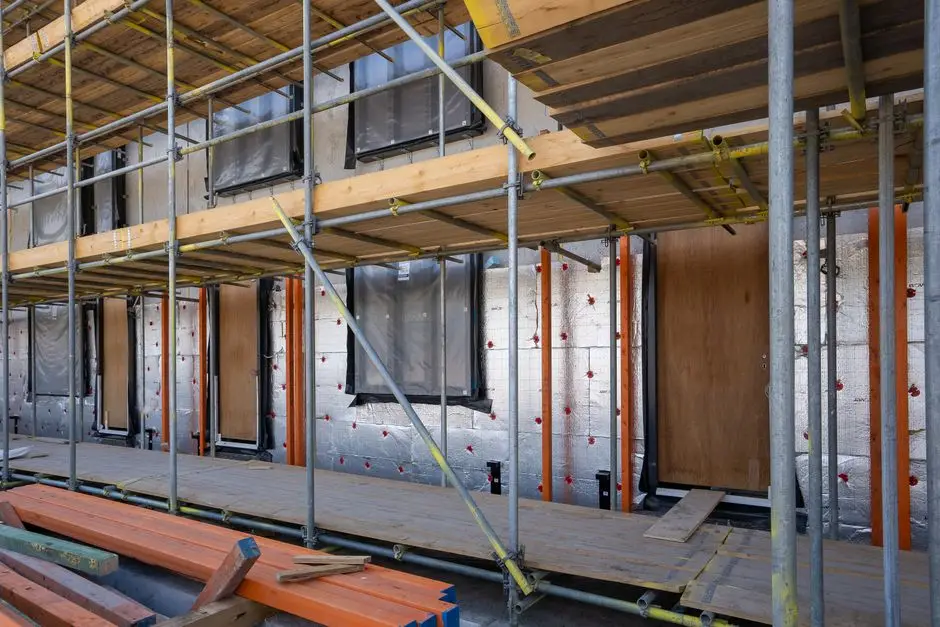
We install fiberglass batts, spray foam, mineral wool, or foam board, then tape every seam and run a continuous vapor barrier. Purlins, girts, and columns get detailed so there are no thermal bridges left open.
Vapor barrier and tape
The barrier is the part that stops condensation, so we do not rush it. We use insulation tape on every joint and seal around penetrations. It is the difference between a system that works and one that drips.
Final thermal scan
Before we leave, we re-scan the envelope to confirm there are no gaps or missed spots. If we find one, we fix it on the spot. You get the spec sheet, the warranty, and a building that performs.
Service overview
What Metal Building Insulation in Clinton actually does
Metal Building Insulation in Clinton is the thermal and vapor-control system that goes between your steel framing and the outside world. On a metal building, insulation is not just about R-value. It is about stopping air movement, blocking radiant heat, and keeping warm interior air from touching cold steel. We install fiberglass batts, spray foam, mineral wool, and reflective foil, then seal every seam with insulation tape and a proper vapor barrier so the assembly actually performs.
Clinton sits in Davis County where summer steel skin hits 140 degrees and January nights drop into the teens. That swing is brutal on an uninsulated shop. We see it constantly: condensation raining off the purlins, high energy bills, cold ceilings, and noise transmission so bad you cannot hear a phone call. If you searched metal building insulation near me Clinton, you already know the problem. We solve it with systems sized to your building, not a generic kit.
How we workWe verify the cause, compare realistic options, and confirm the repair before we leave.
The service timeline
How our Clinton insulation process runs
The process flexes to the condition, but these checkpoints keep decisions clear.
Walk and measure
We walk the building with you, measure wall and ceiling square footage, check purlin spacing, and look for existing moisture problems. You get a straight answer on what system fits and what it costs. Most walkthroughs take 30 to 45 minutes.
Moisture and air check
We run a moisture meter on the framing and a thermal imaging camera across the walls and ceiling. That tells us whether you have an active leak, a vapor problem, or just missing insulation. It also shows exactly where air is leaking in.
System selection
Based on your building use, we recommend fiberglass batts, spray foam, mineral wool, or a foil and foam board combination. A conditioned shop gets a different spec than a cold-storage barn. You see the R-value target before we order anything.
Install day
Our crew masks off openings, suits up, and installs the system. Walls and ceilings get batts or blown-in insulation, seams get taped, and the vapor barrier goes on last. A typical 2,000 square foot building takes one to two days.
Final test and handoff
We re-scan the envelope with the thermal camera, check for gaps, and confirm the vapor barrier is continuous. Then we walk you through what was installed and how to keep it performing. You get the spec sheet and the warranty in hand.
Tools & methods
Tools and methods we use
Purpose-built equipment, used by trained technicians, so the job is done accurately the first time.
Thermal imaging camera
Scans walls and ceilings to find missing insulation, air leaks, and thermal bridges before and after install. It is how we prove the job is done right.
Moisture meter
Checks framing and sheathing for active moisture so we do not insulate over a leak. It tells us whether the problem is vapor or water intrusion.
Spray foam gun
Applies closed-cell and open-cell foam at controlled thickness. We use it on walls, rim areas, and around penetrations where batts cannot seal.
Insulation blower
Blows fiberglass and cellulose into ceiling and attic cavities at the correct density. It fills around obstructions better than batts.
Fiberglass batt knife
Cuts batts to fit around purlins, girts, and columns without compression. Clean cuts mean the R-value stays where it belongs.
Respirator and protective suit
Keeps our crew safe around fiberglass, mineral wool, and spray foam chemicals. We also mask off your building so dust stays contained.
Use cases
When Clinton buildings need insulation
These examples show how the service framework adapts rather than forcing every call through one repair.
Pole barn goes from storage to usable
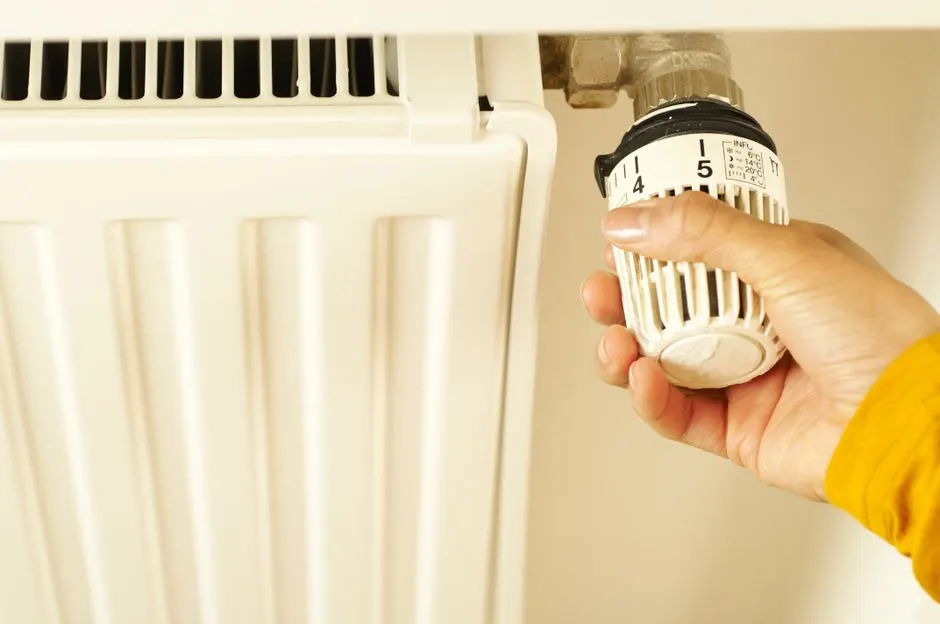
A Clinton Heights pole barn was too hot to use in summer and dripped condensation in spring. Equipment stored inside was rusting and the owner had stopped using the space. → We blew fiberglass into the ceiling, installed batts on the walls, and ran a taped vapor barrier. Summer temps inside dropped noticeably and the spring dripping stopped.
Garage workshop comfortable year-round
A South Clinton homeowner converted a metal garage into a workshop but could not use it in winter. The garage door and walls were bare, and noise from tools echoed off the panels. → We installed foam board on the door, batts in the walls, and sealed the perimeter. The shop is now usable in January and quiet enough to take calls.
Problems we solve
Metal building problems we fix in Clinton
Most Clinton metal building calls come down to four issues. We diagnose each one on site and fix the cause, not just the symptom.
Condensation dripping off purlins and panels
We install a continuous vapor barrier with sealed batts or closed-cell spray foam so warm interior air never touches cold steel. We check with a moisture meter first to rule out an active roof leak.
High energy bills and a shop that will not hold heat
We add the right R-value for your building use and air-seal every gap. Most Clinton customers see a real drop in heating demand and a shop that stays 15 to 25 degrees cooler in July.
Noise transmission through bare metal
Mineral wool and spray foam absorb sound instead of reflecting it. We spec density and thickness for the noise you actually have, which makes the space usable without earplugs.
Frozen pipes along exterior walls
We insulate and seal exterior walls and rim areas so pipes stay on the warm side of the envelope. If you have had a freeze before, we prioritize those runs during the install.
Pricing process
What Metal Building Insulation costs in Clinton
$1.10 - $2.75 per square foot installed, depending on system and scope
Square footage
Wall and ceiling area drives the material cost more than anything else. A 1,200 square foot shop and a 6,000 square foot warehouse are very different jobs even with the same system.
Ceiling height
Tall walls mean more square footage and more ladder or lift time. A 16-foot eave takes longer to insulate safely than a 10-foot wall.
System choice
Fiberglass batts are the most budget-friendly. Spray foam costs more per square foot but seals air and vapor in one step, which can reduce the total scope.
How much does metal building insulation cost in Clinton UT?
Most Clinton metal building insulation jobs run $1.10 to $2.75 per square foot installed in 2026, so a 2,000 square foot building lands roughly $2,200 to $5,500 depending on system. Spray foam sits at the top of that range, fiberglass batts at the bottom. Ceiling height, purlin spacing, and whether you need a vapor barrier all move the number.
What is the best insulation for a metal building in Clinton Utah?
Closed-cell spray foam is the best all-around choice for a Clinton metal building because it seals air and vapor in one step. For a tighter budget, fiberglass batts with a continuous vapor barrier perform well on walls and ceilings. Mineral wool is the pick when fire resistance or sound control matters. We spec the system to how you use the building.
How to stop condensation in a metal building in Clinton UT?
You stop condensation by keeping warm interior air away from cold steel, which means a sealed vapor barrier plus insulation with no gaps. We run a moisture meter first to rule out an active leak, then install the barrier and tape every seam. Most Clinton buildings stop dripping within one heating season.
Can I insulate a metal building myself in Clinton Utah?
You can install fiberglass batts yourself, but the vapor barrier is where DIY jobs fail. One unsealed seam around a purlin and condensation returns. Spray foam requires a proportioning rig and a respirator. If you want it done once, have us spec and install it. If you go DIY, we will still sell you the right materials.
Related services
Related Services
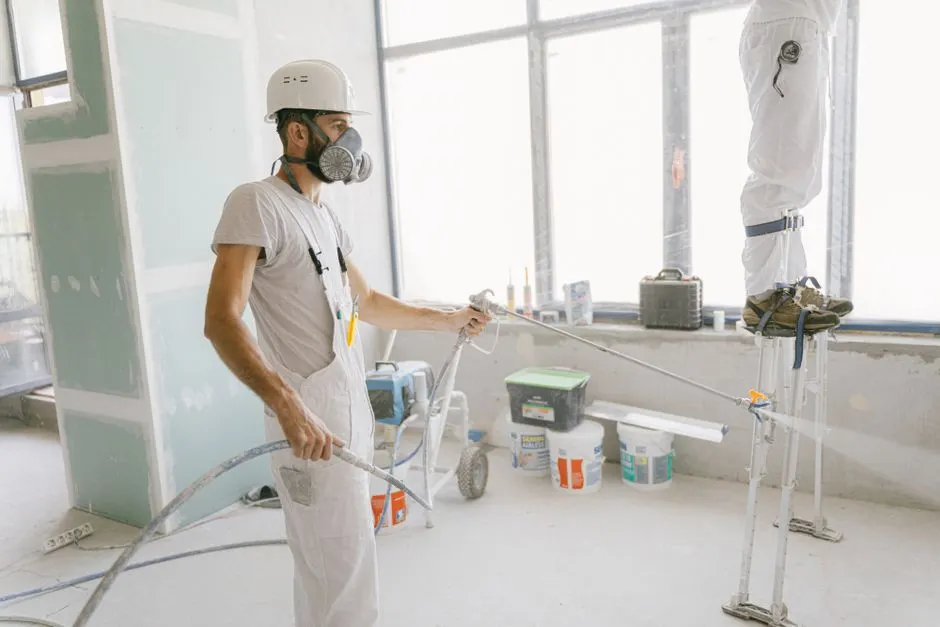
Spray Foam Insulation
Closed-cell spray foam is our go-to for Clinton metal buildings that sweat. It seals air and vapor in one pass and adds structural rigidity to wall panels. We use it on shops, barns, and commercial steel buildings where batts alone will not stop condensation.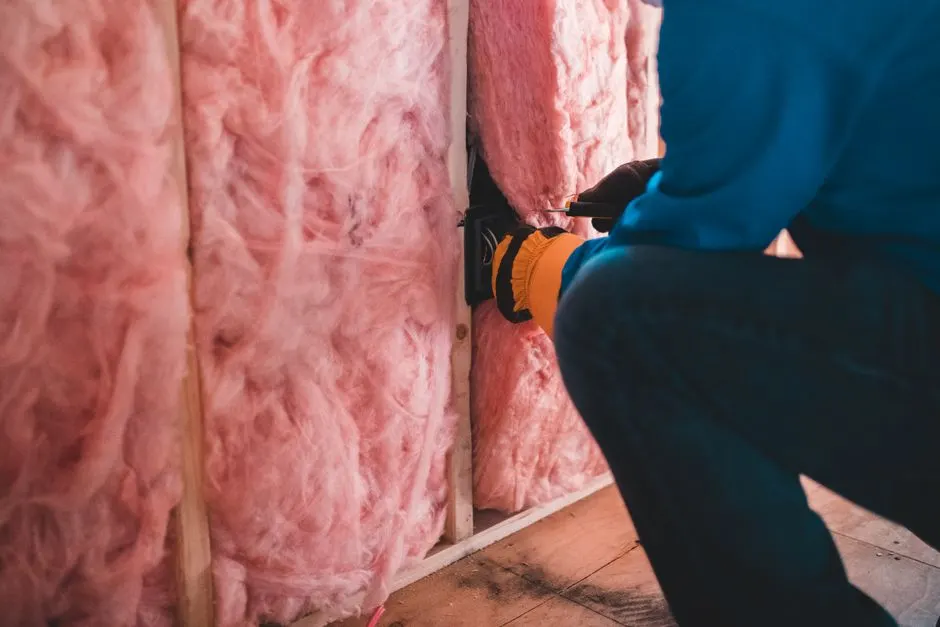
Attic Insulation
Many Clinton metal buildings have an attic or loft space above the shop. We blow in fiberglass or cellulose up there to stop heat from stacking under the roof panel. It pairs well with wall insulation for a complete envelope.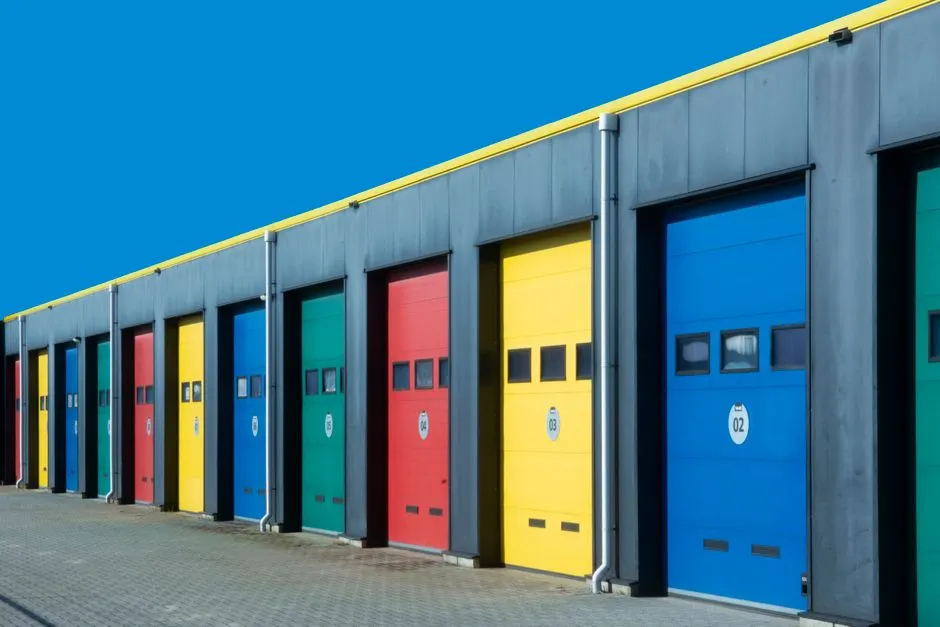
Garage Door Insulation
Your garage door is often the biggest uninsulated hole in a Clinton metal building. We install foam board kits and seal the perimeter so the door stops bleeding heat. It is a small job that makes a noticeable difference in a heated shop.Ready when you are
Get Metal Building Insulation in Clinton this week
Cold weather is coming and an open steel building only gets more expensive to run. Call Sealwise Vale at (855) 927-7517 for a free walkthrough and a straight price on Metal Building Insulation in Clinton. Licensed, insured, and local since 2022.
Talk with the local team
Request Metal Building Insulation
Call (855) 927-7517 or email info@sealwisevale.com and we will get you on the schedule. We answer the phone during business hours and roll a truck after hours for emergencies like frozen pipes or storm damage. Most estimates are booked within a day or two.