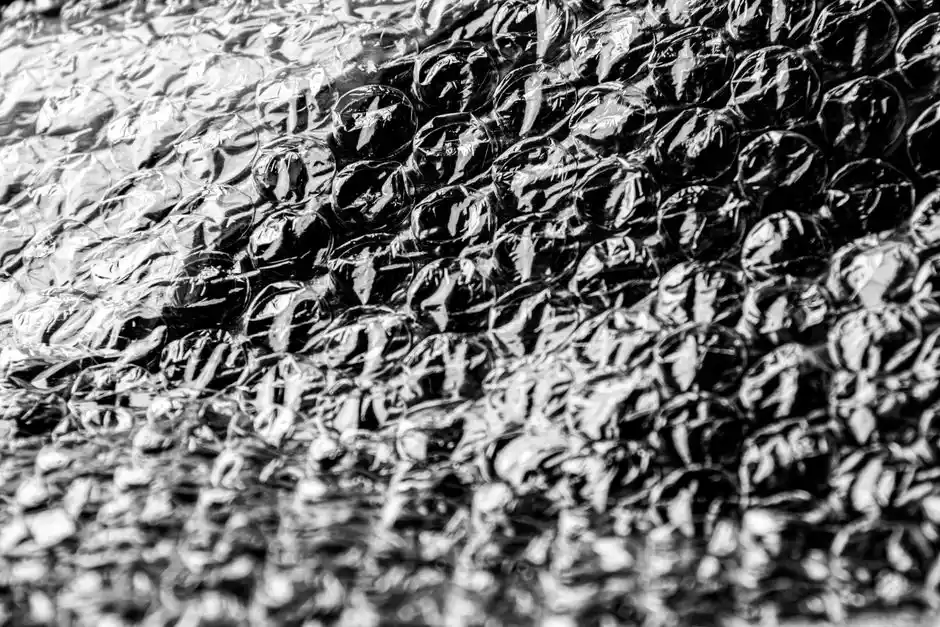
Reflective foil insulation in Clinton for attics, garages, and metal buildings
Double Bubble Insulation in Clinton That Stops Heat at the Rafter
Double Bubble Insulation in Clinton is the foil-and-bubble radiant barrier we install across Davis County to knock down attic temperatures and stop radiant heat before it soaks into your living space. If your upstairs runs 8-12 degrees hotter than the main floor, or your garage hits 110 in July, this is the fix. We measure, cut, and staple every run tight to the rafter.
Live phone supportUpfront optionsBacked workmanship
What's included
What Our Double Bubble Insulation Service Includes
Every Clinton install covers the full scope: inspection, air sealing, material, labor, and a final thermal scan. We do not nickel-and-dime you on the basics. Here is what is in the price.
Attic Inspection and Written Scope
We climb the attic with a thermal imaging camera and moisture meter, check existing R-value, and document air leaks. You get a written scope and a flat price before we open a single roll.
Air Sealing at Top Plates
Top plates, wire penetrations, and can-light gaps get sealed with spray foam and Great Stuff. This is the step most crews skip, and it is the one that makes the radiant barrier actually perform.
Double Bubble Material and Install
We cut and staple 5/16-inch double bubble foil to the rafter faces with a 3/4-inch air gap, then tape every seam. Materials come from Owens Corning and Johns Manville stock.
Thermal Scan Verification
Before we leave, we re-scan the attic and show you the temperature readings. If the numbers are not where they should be, we find the gap and fix it on the spot.
Cleanup and Haul-Off
Every scrap of foil, tape, and old material comes out with us. We leave the attic swept and the access panel back in place, ready for your next storage run.
Service overview
What Double Bubble Insulation in Clinton Actually Does
Double Bubble Insulation in Clinton is a radiant barrier built from two layers of reflective foil bonded to a bubble core, usually 5/16 inch thick. It does not work like fiberglass batts or blown-in insulation, which slow conductive heat. Instead, the foil face reflects radiant heat back toward its source. In a Clinton attic, that means summer sun hitting the roof deck gets bounced back out before it radiates down through the ceiling drywall into your bedrooms.
Clinton sits in Davis County where July roof decks regularly hit 140 to 160 degrees, and January nights drop into the teens. That swing is exactly what tears up thin attic insulation and drives high energy bills. Homeowners searching for reflective foil insulation Clinton often have a finished bonus room over the garage that never cools down. We see it in Clinton Heights and Sunset Heights constantly. The fix is a radiant barrier stapled to the underside of the rafters with a real air gap.
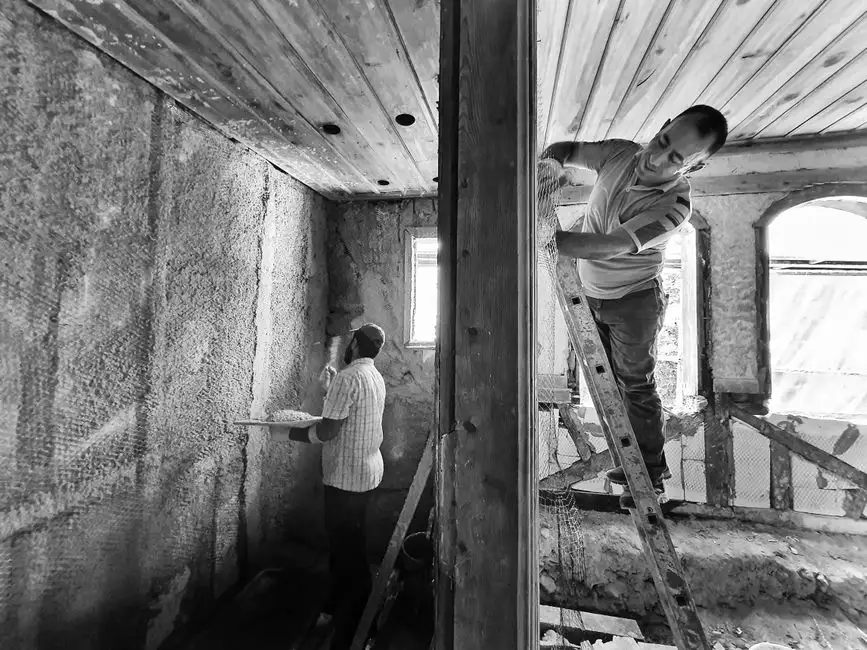
How we workWe verify the cause, compare realistic options, and confirm the repair before we leave.
The service timeline
How We Install Double Bubble Insulation in Clinton
The process flexes to the condition, but these checkpoints keep decisions clear.
Attic Inspection
We climb in with a thermal imaging camera and a moisture meter. We check existing R-value, look for air leaks around can lights and top plates, and check for moisture and mold on the roof deck. You get a written scope and a flat price before we start. Takes about 45 minutes.
Air Sealing First
A radiant barrier over leaky ceiling planes is wasted money. We seal top plates, wire penetrations, and can-light gaps with spray foam and Great Stuff, then verify with a smoke pencil. This step alone often cuts 5 to 8 percent off heating cost.
Measure and Cut
We measure every rafter bay and cut the foil with a utility knife on a clean drop cloth. Rolls come from Owens Corning and Johns Manville stock. We keep a 3/4-inch air gap on the shiny side, because foil touching wood or insulation loses most of its reflectivity.
Staple and Tape
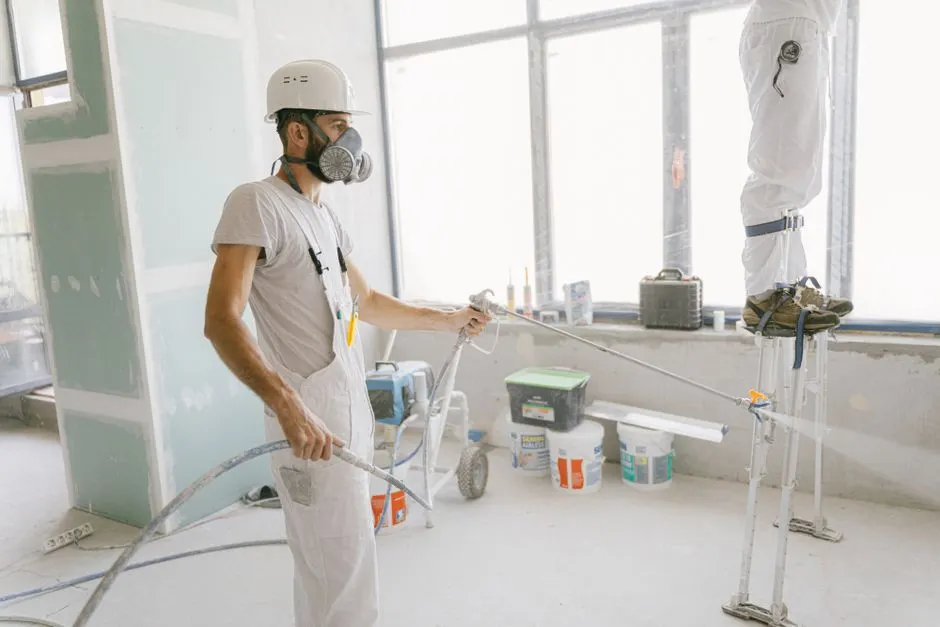
Every run gets stapled to the rafter face with a staple gun, then seams are sealed with insulation tape so there are no gaps for radiant heat to slip through. We wear a respirator and protective suit in tight bays. A typical 1,200 square foot attic takes four to six hours.
Final Walkthrough
We re-scan the attic with the thermal camera and show you before-and-after readings. You get a written summary of what was installed, the R-value standard we hit, and a workmanship warranty on the install. We haul out every scrap.
Tools & methods
Tools and Methods We Use in Clinton Attics
Purpose-built equipment, used by trained technicians, so the job is done accurately the first time.
Thermal Imaging Camera
Used before and after every install to measure attic temperature and find hot spots where the radiant barrier is not performing. You see the readings yourself.
Moisture Meter
Checks roof deck and insulation moisture before we install. If there is a leak or mold problem, we find it before we trap it behind foil.
Staple Gun and Utility Knife
Every foil run is cut clean and stapled tight to the rafter face. A sloppy cut leaves gaps that radiant heat slips straight through.
Insulation Blower
Used when we bring the attic up to R-49 with blown-in insulation before the radiant barrier goes up. Fast, even coverage across irregular bays.
Spray Foam Gun and Great Stuff
Seals top plates, wire penetrations, and can-light gaps. Air sealing is the step that makes the foil layer actually work.
Respirator and Protective Suit
Standard gear for every attic job. We are not breathing fiberglass and old dust while we work above your ceiling.
Use cases
When Clinton Homeowners Call Us for Foil Insulation
These examples show how the service framework adapts rather than forcing every call through one repair.
1970s Ranch, South Clinton
Original attic insulation at roughly R-11 with unsealed top plates and can lights. July power bills ran $240 and the upstairs bedrooms were 10 degrees hotter than the main floor. The attic measured 148 degrees at 3 p.m. → We air sealed, brought the attic to R-49 with blown-in insulation, and added a radiant barrier. Attic temp dropped to 119 degrees, and the following July bill came in at $198, a 17 percent reduction.
Metal Shop, Clinton Industrial Park
A 2,400 square foot metal shop hit 108 degrees in summer and formed condensation on tools and equipment every winter. The owner was losing productivity in July and dealing with rust by February. → We installed reflective foil insulation Clinton on the purlins with a 3/4-inch air gap and taped every seam. Summer interior temps now sit in the low 80s, and the condensation on tools stopped the following winter.
Problems we solve
Clinton Problems a Radiant Barrier Fixes
Most Clinton homes we inspect have at least two of these issues. A radiant barrier addresses the ones tied to heat movement, and we fix the rest while we are up there.
Upstairs rooms run 8 to 12 degrees hotter
We staple Double Bubble Insulation in Clinton across the rafters with a proper air gap, which reflects radiant heat back toward the roof deck before it reaches your ceiling drywall. Most homes see a 20 to 30 degree attic temperature drop.
Bonus room over the garage never cools
We seal the knee walls, insulate the floor cavity, and run reflective foil insulation Clinton across the rafters above. The combination cuts the radiant path from both directions.
High summer power bills with no explanation
We measure attic temps before and after install with a thermal imaging camera. Most Clinton homes see a 10 to 18 percent drop in summer cooling cost, which shows up on the very next bill.
Condensation on ducts and cold pipes
A radiant barrier keeps the surrounding attic air cooler, which reduces the swing that causes condensation. We also check for moisture and mold while we are up there and address it before it spreads.
Pricing process
What Double Bubble Insulation Costs in Clinton
$1,300 - $2,200 for most Clinton residential attics; $1.10 - $1.85 per square foot installed
Attic Square Footage
Price scales with the area we cover. A 900 square foot attic runs less than a 2,000 square foot one, and we measure every bay rather than guessing from the floor plan.
Existing Insulation Condition
If the current insulation is wet, compressed, or contaminated, it has to come out first. Removal adds labor and disposal cost, but skipping it means the new barrier sits on a failing assembly.
Air Sealing Scope
More penetrations mean more sealing time. A 1970s Clinton ranch with dozens of can lights takes longer than a newer build with sealed top plates.
How much does double bubble insulation cost in Clinton UT?
Most Clinton attic jobs run $1.10 to $1.85 per square foot installed, so a 1,200 square foot attic lands between $1,300 and $2,200 in 2026. That price includes air sealing, materials, labor, and cleanup. Metal buildings and pole barns price slightly higher because of the framing layout. We give you a flat written number before any work starts.
What is double bubble insulation in Clinton Utah?
It is a radiant barrier made of two foil faces bonded to a bubble core, usually 5/16 inch thick. It reflects radiant heat instead of absorbing it like fiberglass batts or cellulose. In a Clinton attic it goes on the underside of the rafters with an air gap, which is what makes the foil work. It is not a substitute for attic insulation, it works alongside it.
Does double bubble insulation work in Clinton UT?
Yes, and it works especially well here. Clinton roof decks hit 140 to 160 degrees in July, and radiant heat is the main path that heat takes into your ceiling. We routinely measure 20 to 30 degree attic temperature drops after install. Pair it with R-49 attic insulation and you get the full benefit in both summer and winter.
Can double bubble insulation be used in Clinton attics?
It can be used in any vented Clinton attic as long as you keep a 3/4-inch air gap on the shiny side and do not block soffit or ridge ventilation. We check airflow before we staple a single run. If your attic has moisture or mold issues, we fix those first, because trapping moisture behind foil causes bigger problems than it solves.
Related services
Related Services
Spray Foam Insulation
Spray foam seals the same air leaks a radiant barrier cannot. We often combine spray foam at the top plates with Double Bubble Insulation in Clinton for a tighter ceiling plane and better summer performance.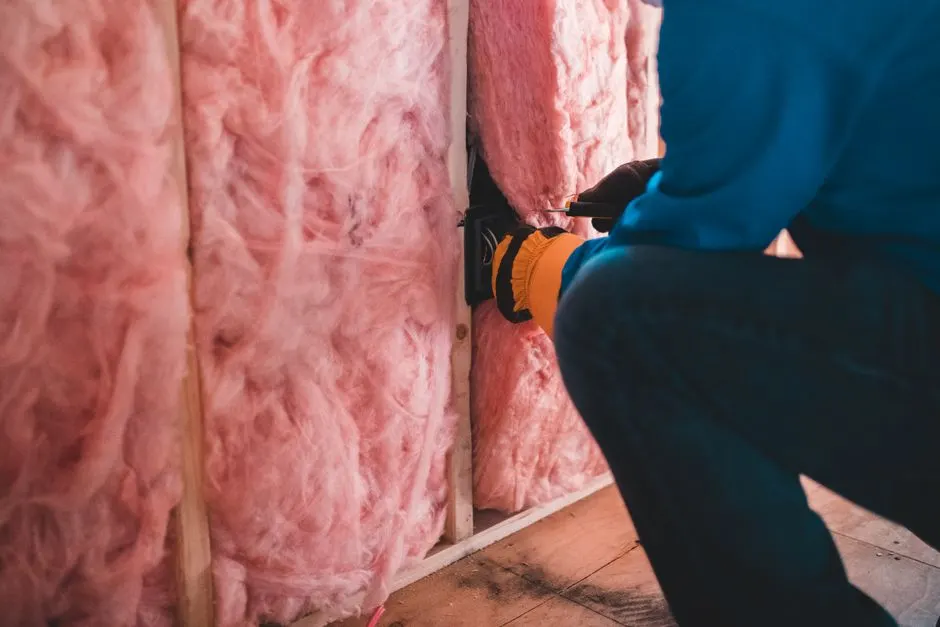
Attic Insulation
A radiant barrier and attic insulation are a pair. We bring Clinton attics up to current R-value standards with blown-in insulation, then add the foil layer to cut radiant heat load.
Garage Door Insulation
Clinton garages hit 110 degrees in July. We insulate the door panels and add a radiant barrier above, which keeps the garage usable and stops heat bleeding into the bonus room above.Ready when you are
Get Double Bubble Insulation in Clinton This Week
Call (855) 927-7517 and we will schedule an attic inspection, usually within a few days. You get a flat written price, air sealing included, and a thermal scan at the end so you can see the temperature drop yourself.
Talk with the local team
Request Double Bubble Insulation
Call (855) 927-7517 or email info@sealwisevale.com and we will get you on the schedule. We answer the phone during business hours and roll a truck after hours for emergencies like frozen pipes or storm damage. Most estimates are booked within a day or two.