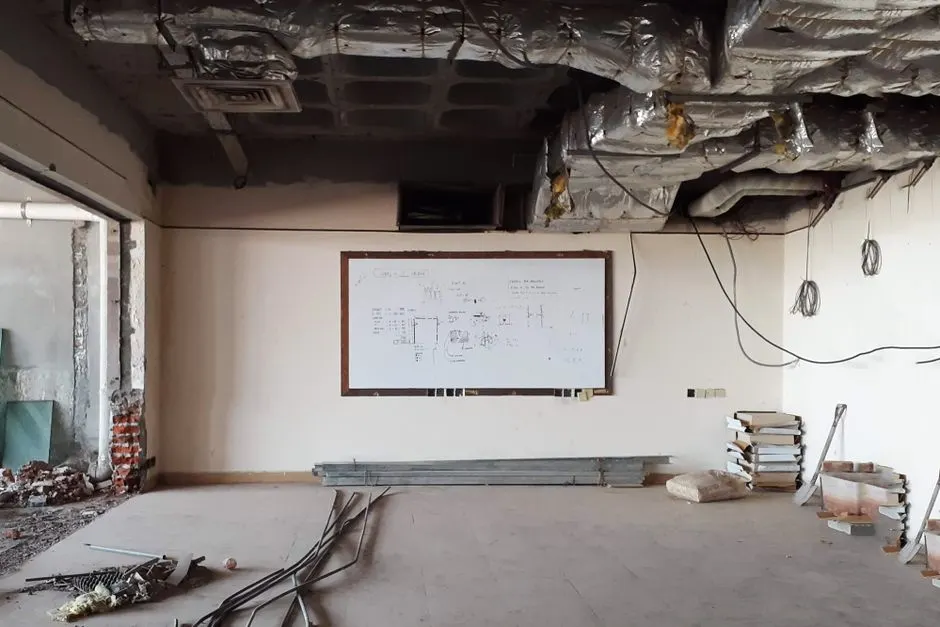
Blown-in, batts, and spray foam installed by local crews
Ceiling Insulation in Clinton That Stops Cold Rooms
Ceiling Insulation in Clinton is the fastest way to stop heat from escaping through your attic and cold air from dropping into your living room. We install fiberglass batts, cellulose, and spray foam for homes across Davis County, from older ramblers near Downtown Clinton to newer builds in Sunset Heights. If your upstairs rooms run cold in January and your summer cooling bills keep climbing, the ceiling is usually the first place we look.
Live phone supportUpfront optionsBacked workmanship
What's included
What Our Ceiling Insulation Service Includes
Every Clinton ceiling insulation job covers the essentials that make insulation perform. Add-ons like full attic encapsulation or duct sealing are quoted separately if your attic needs them.
Attic Inspection and Report
We measure existing depth, check for moisture and pest damage, and photograph air leaks before quoting. You get a written R-value recommendation for your Clinton home based on current Utah standards.
Air Sealing
We seal gaps around can lights, plumbing stacks, top plates, and duct chases with spray foam and insulation tape. This step is included on every job because insulation cannot perform with air moving through it.
Insulation Installation
We blow cellulose, lay fiberglass batts, or spray foam depending on your ceiling assembly. Coverage is even across every joist bay, verified with a measuring stick before we move on.
Thermal Verification
A thermal imaging camera scan confirms there are no cold spots or missed gaps. If we find one, we fix it on the spot. You get the final R-value in writing.
Cleanup and Warranty
We bag debris, vacuum the attic access, and walk you through the work. Your install is covered by a workmanship warranty on top of manufacturer coverage on materials.
Service overview
What Ceiling Insulation in Clinton Actually Does
Ceiling Insulation in Clinton is the thermal barrier installed in the attic floor or ceiling assembly that slows heat movement between your living space and the unconditioned attic above. In most Clinton homes, that means blowing cellulose or laying fiberglass batts between the ceiling joists to hit current R-value standards for Utah's climate zone. We seal air leaks around can lights, plumbing stacks, and top plates first, because insulation only performs when the air stays put. Then we bring the R-value up to spec and verify coverage with a thermal imaging camera.
Clinton sits in Davis County where winter nights drop into the teens and summer attic temperatures push past 130 degrees. That swing punishes thin or settled insulation. Homes built before 1990 often have R-11 or less up top, which is why upstairs bedrooms feel drafty and ice dams form along the eaves. If you have been searching for ceiling insulation near me Clinton, the fix is usually a one-day attic job. We also handle ceiling insulation for cold rooms Clinton Utah homeowners deal with every winter.
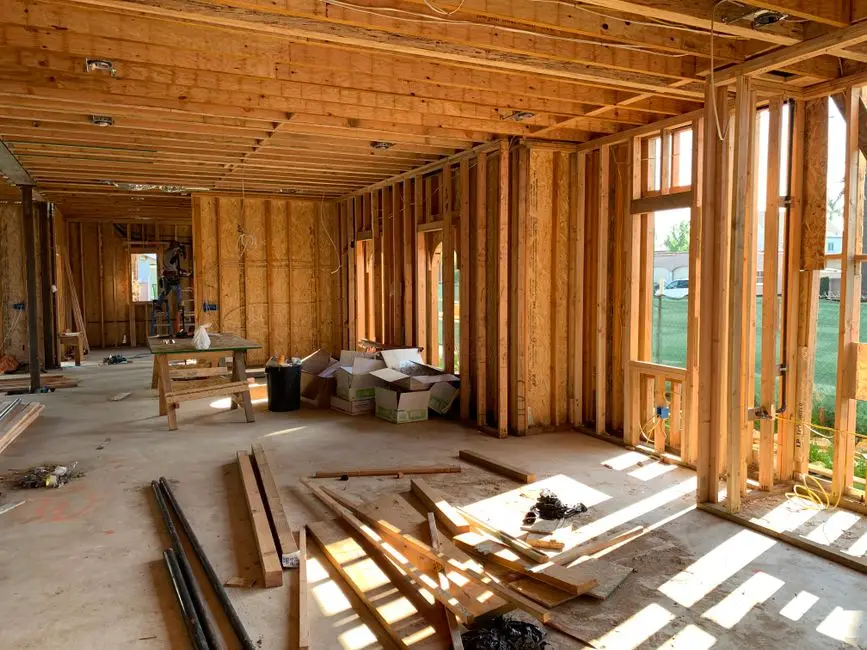
How we workWe verify the cause, compare realistic options, and confirm the repair before we leave.
The service timeline
How Our Ceiling Insulation Process Works
The process flexes to the condition, but these checkpoints keep decisions clear.
Attic Inspection
We climb into the attic and measure existing depth, check for moisture with a moisture meter, and look for air leaks, pest damage, and mold. You get photos of what we find and a written R-value recommendation before anyone touches a tool. This walkthrough takes 30 to 45 minutes.
Air Sealing
Before adding insulation, we seal gaps around can lights, plumbing stacks, top plates, and duct chases with spray foam and insulation tape. This step is what makes the new R-value actually work. Skipping it is the most common mistake we see in Clinton attics.
Insulation Install
Depending on your ceiling assembly, we blow cellulose, lay fiberglass batts, or spray foam. Our crew uses a blown-in insulation machine and fiberglass batt knife to get even coverage across every joist bay. We keep a respirator and protective suit on the whole time.
Verification
We check depth with a measuring stick and scan the ceiling with a thermal imaging camera to confirm no gaps or cold spots remain. If we find one, we fix it before we pack up. You get the final R-value in writing.
Cleanup and Walkthrough
We bag debris, vacuum the access point, and walk you through what was done. You get care instructions and a workmanship warranty. The whole visit usually runs four to six hours for a standard Clinton attic.
Tools & methods
Tools and Methods We Use
Purpose-built equipment, used by trained technicians, so the job is done accurately the first time.
Blown-in insulation machine
Applies cellulose and fiberglass evenly across the ceiling plane, filling odd-shaped joist bays that batts cannot reach.
Thermal imaging camera
Scans the ceiling after install to find cold spots, missed gaps, and air leaks that are invisible to the eye.
Moisture meter
Checks existing insulation and framing for hidden moisture before we add new material on top.
Spray foam gun
Seals gaps around can lights, plumbing stacks, and top plates with precise, expanding foam.
Fiberglass batt knife
Cuts batts to exact joist spacing for a tight fit without compression, which protects the rated R-value.
Respirator and protective suit
Keeps our crew safe from fiberglass and dust while working in tight Clinton attics.
Use cases
When Clinton Homeowners Call Us
These examples show how the service framework adapts rather than forcing every call through one repair.
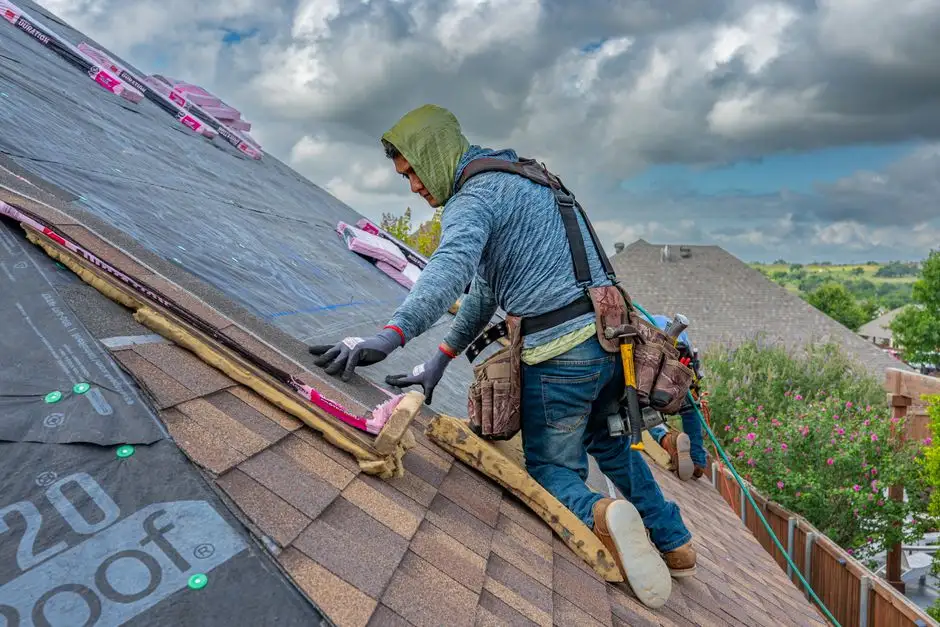
Bonus Room Over Garage Fix
A Sunset Heights home had a bonus room over the garage that was unusable in winter. The ceiling above it had thin batts, and the uninsulated garage door pulled cold air up through the floor. The room stayed 10 degrees colder than the rest of the house. → We insulated the ceiling to R-49, sealed air leaks, and added garage door insulation below. The bonus room now stays within 3 degrees of the main floor and is used year-round instead of being closed off.
Ice Dam Prevention in Lakeview
A Lakeview home had ice dams two winters in a row, with water stains spreading across the ceiling drywall. The attic had R-13 batts and major air leaks around the furnace flue and top plates, which melted roof snow all winter. → We sealed the leaks, insulated the ceiling plane to R-49, and confirmed with thermal imaging that the roof deck stays cold. No ice dams formed the following winter, and the ceiling stains stopped spreading.
Problems we solve
Ceiling Problems We Fix in Clinton Homes
Most Clinton ceiling complaints trace back to the same handful of causes. Here is what we find and how we fix it.
Upstairs rooms that never get warm
We find the air leaks with a thermal imaging camera, seal them, and bring the ceiling R-value up to current Utah standards. Most Clinton customers feel the difference the first cold night after the install.
Ice dams forming along the eaves
We seal the heat leaks that melt roof snow and insulate the ceiling plane so the roof deck stays cold and even. That stops the melt-refreeze cycle that causes ice dams.
High energy bills every winter
We upgrade the ceiling to the R-value your home needs, seal air leaks first, and verify coverage with thermal imaging. The savings usually show up on the next billing cycle.
Moisture and mold in the attic
We check moisture with a moisture meter, remove any wet or contaminated material, fix the source, and re-insulate with cellulose or fiberglass. We do not cover up a moisture problem with new insulation.
Pricing process
What Ceiling Insulation Costs in Clinton
$1,200 - $3,800 depending on attic size, R-value target, and material
Attic square footage
A 700-square-foot attic costs less than a 1,800-square-foot one because material and labor scale with area. Most Clinton attics fall between 800 and 1,500 square feet.
Existing R-value
If your attic already has R-30, we may only need to top it off. Starting from R-11 means removing or adding significantly more material, which raises the price.
Material choice
Cellulose and fiberglass batts cost less per square foot than spray foam. Foam costs more but seals air leaks at the same time, which can reduce the need for separate air sealing work.
How much does ceiling insulation cost in Clinton UT?
Most Clinton attic ceiling jobs run $1,200 to $3,800 in 2026, depending on square footage, existing R-value, and whether we are blowing cellulose or spraying foam. A standard 1,000-square-foot attic with air sealing usually lands near $1,800. Spray foam costs more per square foot but seals and insulates in one pass. We give you a flat number after the attic inspection.
What is the best ceiling insulation for Clinton Utah?
Blown-in cellulose is the best value for most Clinton attics because it fills gaps around joists and framing better than batts. Fiberglass batts work well in open, easy-to-reach ceilings. Spray foam is the top performer when you need an air barrier and high R-value in a tight space. We recommend based on your attic, not on what is easiest to sell.
Why is my ceiling cold in Clinton UT?
A cold ceiling almost always means heat is escaping through air leaks and thin insulation. Clinton winters drop into the teens, and an attic at R-11 or less cannot hold the heat in. We find the leaks with a thermal imaging camera, seal them, and bring the R-value up to current Utah standards. Most customers feel the difference the first cold night.
Who installs ceiling insulation near me in Clinton?
Sealwise Vale installs ceiling insulation across Clinton and Davis County, including Downtown Clinton, Clinton Heights, Sunset Heights, and Lakeview. We are licensed, insured, and have been working local attics since 2022. Call (855) 927-7517 and we can usually inspect your attic the same day you call.
Related services
Other Insulation Services We Handle
Spray Foam Insulation
Spray foam seals and insulates in one pass, which makes it a strong partner for ceiling work in Clinton attics with lots of penetrations. We often spray the rim joist and ceiling plane together to close the whole thermal envelope.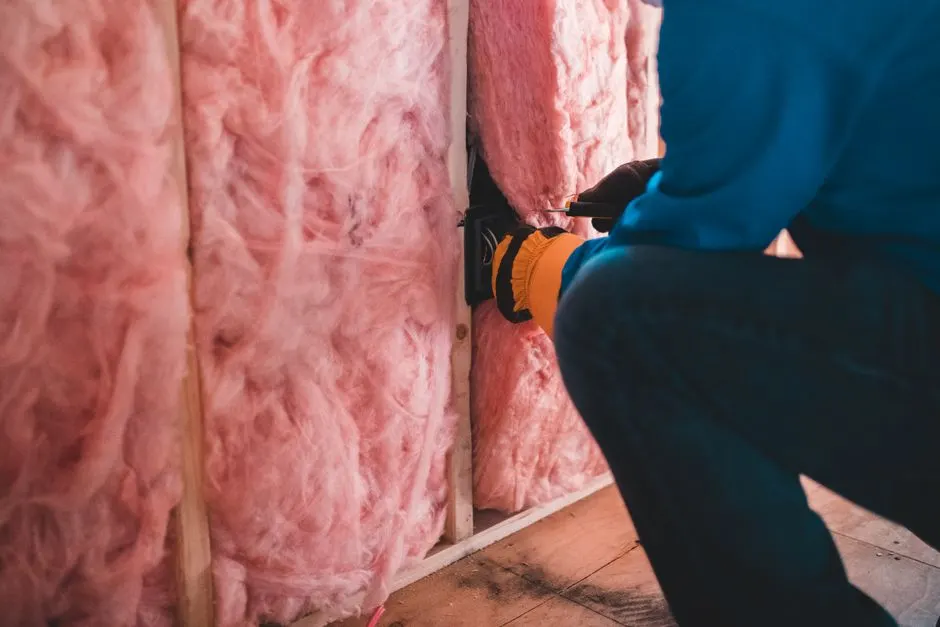
Attic Insulation
Attic insulation and ceiling insulation are the same job seen from two sides. When we upgrade your Clinton attic, we are insulating the ceiling assembly above your living space. One visit handles both.
Garage Door Insulation
An uninsulated garage door pulls heat out of any room above it. Clinton homeowners with bonus rooms over the garage often pair garage door insulation with ceiling work to stop the cold from below.Ready when you are
Get Ceiling Insulation in Clinton Before Winter Hits
Cold nights are already here, and every week you wait, heat escapes through your ceiling. Call Sealwise Vale at (855) 927-7517 for a same-day attic inspection and a flat price on Ceiling Insulation in Clinton. Licensed, insured, and local since 2022.
Talk with the local team
Request Ceiling Insulation
Call (855) 927-7517 or email info@sealwisevale.com and we will get you on the schedule. We answer the phone during business hours and roll a truck after hours for emergencies like frozen pipes or storm damage. Most estimates are booked within a day or two.