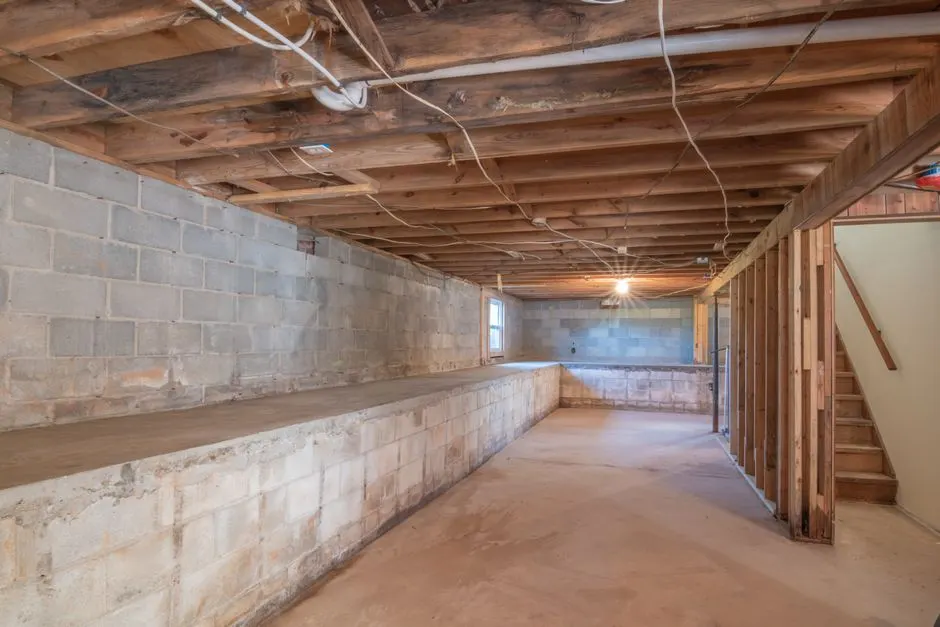
Licensed crews, code-correct materials, and same-week scheduling in Davis County
Basement Insulation in Clinton that stops cold floors and high bills
Basement Insulation in Clinton is the fastest way to stop a finished lower level from bleeding heat through concrete walls and rim joists. If your basement stays 8 to 12 degrees colder than the rest of the house, or your January gas bill spikes past $220, the insulation is the problem. We serve homeowners across Clinton, UT with fiberglass batts, spray foam, and foam board built for Utah's freeze-thaw swings.
Live phone supportUpfront optionsBacked workmanship
What's included
What our basement insulation service includes
Every Clinton basement job starts with an assessment and ends with thermal verification. Standard work covers air sealing, wall and rim insulation, and detailing. Add-ons like crawl space encapsulation or duct sealing are quoted separately if your basement needs them.
Thermal assessment and scope
We scan walls and rim joists with a thermal imaging camera, check moisture with a meter, and give you a written scope with R-value targets. You see the cold spots on screen before we quote anything.
Air sealing at rim and penetrations
Sill plates, plumbing and electrical penetrations, and rim joists get sealed with foam and caulk before insulation goes in. This step is what makes the R-value actually perform in a Clinton basement.
Wall and rim joist insulation
We install fiberglass batts, Rockwool, foam board, or spray foam depending on your wall type, sized to Utah's climate zone. Rim joists get closed-cell foam or rigid board, taped and sealed at every edge.
Vapor barrier and detailing
Where the assembly calls for it, we install a continuous vapor barrier with taped seams and sealed edges. Foam board is cut tight with a utility knife and every gap is filled so air cannot bypass the insulation.
Ceiling insulation for cold floors
If your main level has cold floors, we insulate the basement ceiling between joists and around ducts and plumbing. This is the fix for the 4 to 7 degree floor temperature gap most Clinton homes have.
Verification and written summary
We re-scan the walls, show you the temperature difference, and leave a written summary of materials, R-values, and warranty terms. If a reading is low, we correct it before we leave.
Service overview
What Basement Insulation in Clinton actually involves
Basement Insulation in Clinton means sealing the concrete walls, rim joists, and ceiling cavities that separate your lower level from the outside air and the floor above. We start with a moisture meter and thermal imaging camera to find where cold air is moving, then install fiberglass batts, rigid foam board, or spray foam depending on whether the wall is framed, poured concrete, or block. Every job ends with a vapor barrier and insulation tape so warm, moist indoor air never touches a cold surface.
Most Clinton homes were built between the 1970s and early 2000s, and the original builder-grade insulation under the rim joist has settled or was never installed. That is why so many basements here feel drafty even when the furnace runs nonstop. If you have been searching for basement insulation near me Clinton, the real fix is air sealing first, R-value second. We size the assembly to Utah's climate zone, which calls for R-15 continuous on basement walls and R-19 to R-21 in framed cavities.
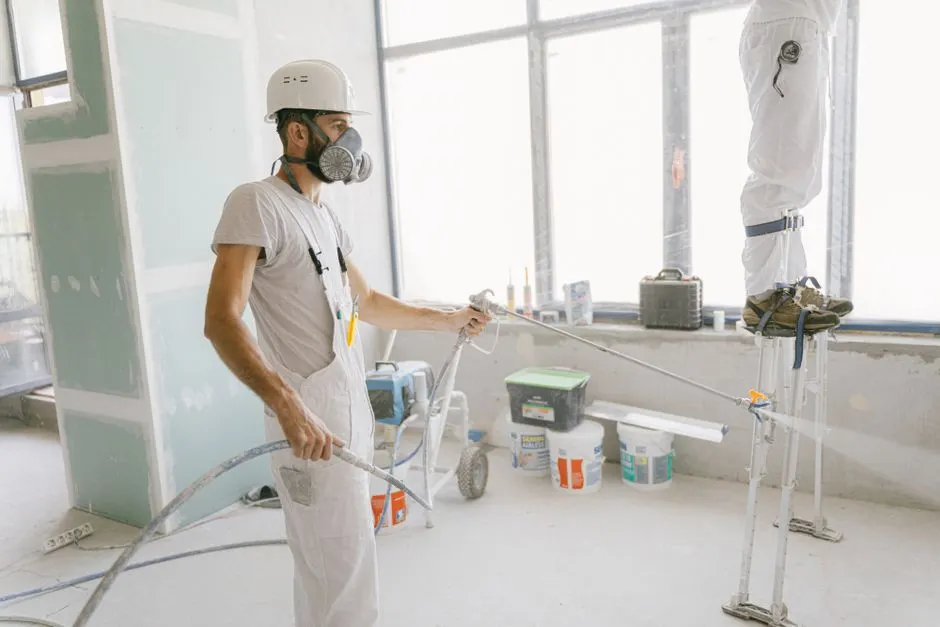
How we workWe verify the cause, compare realistic options, and confirm the repair before we leave.
The service timeline
How our basement insulation process works
The process flexes to the condition, but these checkpoints keep decisions clear.
On-site assessment
We walk the basement with a thermal imaging camera and moisture meter, checking rim joists, wall cavities, and any signs of seepage. You get readings, photos, and a written R-value recommendation the same day. This visit takes 45 to 60 minutes and costs nothing.
Air sealing first
Before any insulation goes in, we seal gaps around sill plates, plumbing penetrations, and electrical boxes with Great Stuff foam and caulk. Skipping this step is why some basements still feel drafty after insulation. It adds about two hours and makes the R-value actually perform.
Insulation installation
Depending on your walls, we install fiberglass batts, Rockwool, foam board, or spray foam. A spray foam gun and insulation blower let us fill irregular cavities and rim joists that batts cannot reach. Crews wear respirators and protective suits, and we cover your floor and mechanicals before we start.
Vapor barrier and detailing
We tape seams with insulation tape, fit a vapor barrier where the assembly calls for one, and cut foam board tight with a utility knife. Every penetration gets sealed again after insulation. This is the detail work that separates a 10-year job from a 30-year job.
Verification and walkthrough
We re-scan the walls with the thermal camera and show you the before-and-after temperature difference. You get a written summary of materials, R-values, and warranty terms. If anything reads low, we fix it before we pack up.
Tools & methods
Tools and methods we use
Purpose-built equipment, used by trained technicians, so the job is done accurately the first time.
Thermal imaging camera
Finds cold spots and air leaks behind finished surfaces before we quote, and verifies the temperature difference after installation.
Moisture meter
Checks concrete and framing for elevated moisture so we do not insulate over a wet wall and trap a problem.
Spray foam gun
Applies closed-cell foam at rim joists and irregular cavities where batts cannot seal, air-sealing and insulating in one pass.
Insulation blower
Packs cellulose or fiberglass evenly into basement ceiling cavities and hard-to-reach rim areas at the correct density.
Fiberglass batt knife and utility knife
Cuts batts and foam board to a tight fit around pipes, boxes, and joists so there are no gaps for air to bypass.
Respirator and protective suit
Keeps our crew safe around fiberglass, mineral wool, and spray foam chemicals, and keeps your basement clean during the job.
Staple gun and insulation tape
Fastens vapor barriers and seals seams so the assembly is continuous and performs at its rated R-value.
Use cases
When Clinton homeowners call us for basement insulation
These examples show how the service framework adapts rather than forcing every call through one repair.
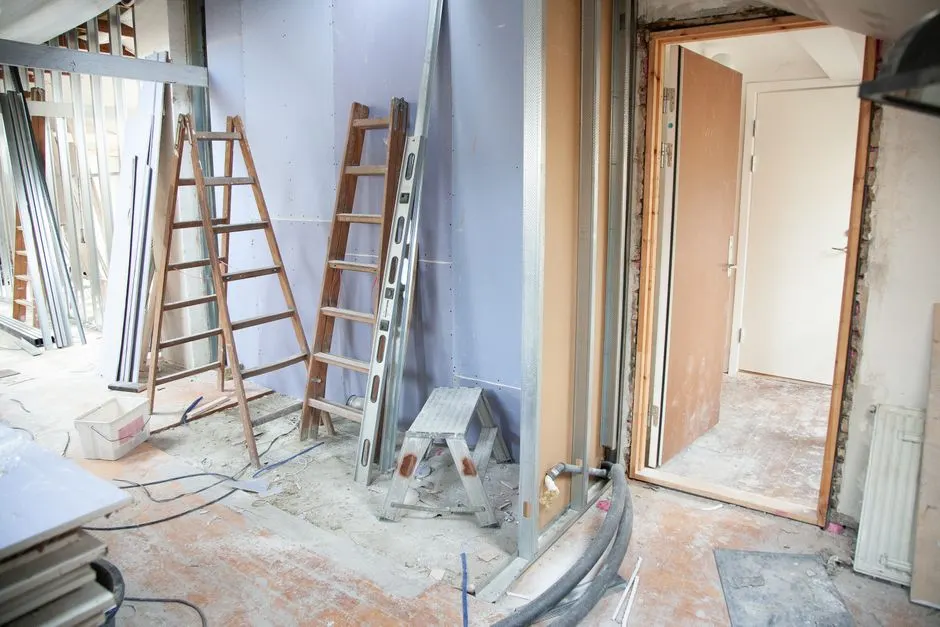
Musty downtown Clinton basement
A block-foundation basement smelled musty every spring, and the owner assumed it was a drainage problem. A moisture meter showed the condensation was on the wall surface, not the floor. Original builder-grade insulation had settled and left the upper wall exposed. → We installed foam board against the block with taped seams and a continuous vapor barrier, then sealed the rim joist. The musty smell has not returned in two springs, and wall surface temperatures rose enough to stop condensation.
Noisy finished basement in Lakeview
A newly finished media room had unbearable footstep noise from the floor above and stayed cool enough to need a space heater. The ceiling was open between joists with no insulation and ducts were unsealed. → We insulated the ceiling with mineral wool, sealed the duct penetrations, and insulated the exterior wall. Footstep noise dropped noticeably and the room holds temperature without a heater. The homeowner uses it daily now.
Problems we solve
Basement problems we fix in Clinton
Most basement complaints in Clinton come down to four issues: cold air, moisture, noise, and cost. Here is what each one looks like and how we solve it.
Basement stays 8 to 12 degrees colder than upstairs
We air seal the rim joists and insulate the walls to R-15 continuous or better. Thermal imaging confirms the wall surface temperature rises, which stops the cold radiating into the room and takes load off your furnace.
Musty smell and condensation on concrete walls
We install foam board or closed-cell spray foam plus a vapor barrier to keep the wall surface warm and stop condensation. If there is active seepage, we address drainage first, then insulate once the wall is dry.
Cold floors on the main level
We insulate the basement ceiling between joists and around ducts and plumbing penetrations. Most Clinton homes see first-floor surface temperatures rise 4 to 7 degrees after this work.
Noise transfer between floors
Mineral wool and spray foam in the ceiling and shared walls cut sound transmission by roughly half. We seal penetrations too, since gaps around ducts and pipes are where most noise leaks through.
Pricing process
What basement insulation costs in Clinton
$1,400 - $4,800 depending on square footage, wall type, and material
Basement square footage
Material and labor scale with wall area. A 900 square foot basement typically runs $1,800 to $2,600 for a batt and rim joist job, while a 1,500 square foot space can push past $3,500.
Wall type and condition
Framed walls accept batts quickly. Poured concrete and block need foam board or spray foam, which adds material cost and prep time. Damp or damaged walls require drying and repair first.
Material choice
Fiberglass batts are the least expensive per square foot. Mineral wool and foam board sit in the middle. Closed-cell spray foam costs the most but seals air at the same time, which often removes the need for separate air sealing.
How much does basement insulation cost in Clinton UT?
Most Clinton basement projects run $1,400 to $4,800 in 2026, depending on square footage, wall type, and whether you choose batts or spray foam. A basic rim-joist and wall batt job on a 900 square foot basement typically lands near $1,800. Spray foam on the same space runs $3,200 to $4,500 because of material cost and labor.
What is the best basement insulation for Clinton Utah?
For most Clinton basements, closed-cell spray foam at the rim joist paired with mineral wool or fiberglass batts in the wall cavities is the best combination. Spray foam stops air leaks and vapor movement where it matters most, while batts deliver R-value at a lower cost. If you have a history of seepage, we may recommend foam board against the concrete instead.
Do I need basement insulation in Clinton UT?
Yes, if your basement is finished, heated, or holds ductwork and plumbing. Utah's climate zone calls for R-15 continuous on basement walls, and most Clinton homes built before 2000 do not meet it. Uninsulated walls also put pipes at risk during single-digit cold snaps, which is when we get the most frozen-line calls.
Can basement insulation prevent moisture in Clinton Utah?
It controls condensation, which is the moisture problem insulation can solve. A continuous vapor barrier and warm wall surface keep humid summer air from condensing on concrete. It will not stop groundwater seepage, so if you have active leaks we address drainage and grading first, then insulate once the wall is dry.
Related services
Other insulation work we handle in Clinton
Spray Foam Insulation
Closed-cell spray foam is our go-to for rim joists and irregular basement cavities where batts cannot seal. Applied with a spray foam gun, it air-seals and insulates in one pass, which makes it the strongest partner to a basement wall job.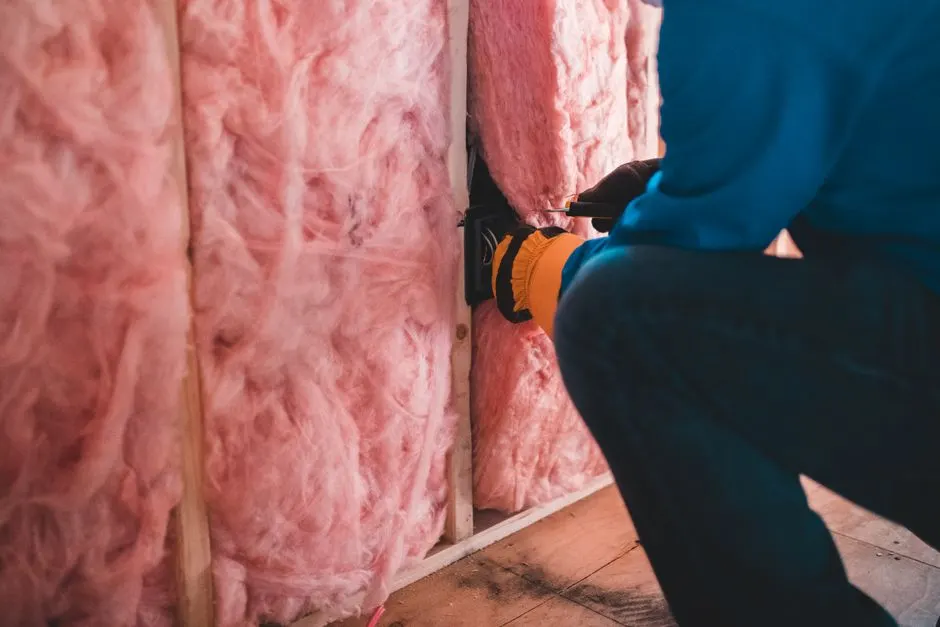
Attic Insulation
Basements and attics are the two biggest heat-loss paths in a Clinton home. If your attic is under-insulated, fixing the basement alone will not move your bill much. We often quote both together and blow in cellulose or fiberglass on the same visit.
Garage Door Insulation
An attached garage shares a wall with the basement in many Clinton layouts. Insulating the garage door and the shared wall stops cold air from pushing into the lower level, which takes load off your basement assembly during January cold snaps.Ready when you are
Get your Basement Insulation in Clinton scheduled this week
We give you a written scope, a fixed price, and a one-day install for most Clinton basements. Licensed, insured, and warrantied. Call (855) 927-7517 or request a free assessment and we will bring the thermal camera.
Talk with the local team
Request Basement Insulation
Call (855) 927-7517 or email info@sealwisevale.com and we will get you on the schedule. We answer the phone during business hours and roll a truck after hours for emergencies like frozen pipes or storm damage. Most estimates are booked within a day or two.